NAD+ Therapy
Online NAD+ Treatment for Cellular Energy, Recovery, and Healthy Aging Support
*This price is typical. The supply duration can be variable based on dosing schedule. Typically lasts 90 days.
Online NAD+ Treatment for Cellular Energy, Recovery, and Healthy Aging Support
NAD+ therapy is a wellness-focused treatment designed to support cellular energy, metabolic function, recovery, and healthy aging. NAD+, short for nicotinamide adenine dinucleotide, is a coenzyme found in every cell of the body. It plays an important role in how your cells produce energy, respond to stress, repair damage, and maintain normal function over time.
AlphaMD offers injectable NAD+ treatment for eligible patients who want a clinically guided approach to energy, recovery, and long-term health optimization. Your treatment plan is based on your symptoms, goals, health history, and clinical recommendations. If appropriate, your medication is prescribed by a licensed clinician and shipped directly to your door.
What Is NAD+?
NAD+ is a naturally occurring molecule that helps your cells convert nutrients into energy. It is involved in mitochondrial function, DNA repair, cellular stress response, inflammation regulation, and other processes connected to metabolic health and aging.
Research has shown that NAD+ is central to cellular metabolism and is involved in pathways related to energy production, DNA repair, and cellular stress response. NAD+ levels may decline with age and certain states of metabolic stress, which has led to growing interest in NAD+ support as part of health optimization and longevity-focused care.
The goal of NAD+ therapy is not to create a stimulant-like effect or replace the fundamentals of health. The goal is to support cellular function as part of a broader plan that may include sleep, nutrition, exercise, hormone optimization, metabolic health, and recovery.
What Does NAD+ Do in the Body?
NAD+ supports several important cellular functions, including:
- Cellular energy production
- Mitochondrial function
- DNA repair pathways
- Healthy stress response
- Metabolic function
- Inflammation regulation
- Cellular repair and maintenance
- Recovery support
- Healthy aging pathways
Because NAD+ is involved in many foundational cellular processes, it has become an area of interest in aging, metabolic health, neurocognitive health, exercise recovery, and overall wellness. However, NAD+ therapy should be presented as supportive care, not as a cure, anti-aging guarantee, or replacement for medical treatment.
Who Is NAD+ Therapy For?
NAD+ therapy may be appropriate for adults who are looking for additional support with energy, recovery, metabolic health, and healthy aging. It may be considered for patients who report symptoms or goals such as:
- Low energy or reduced stamina
- Brain fog or decreased mental sharpness
- Slower workout recovery
- Increased fatigue during periods of stress
- Interest in healthy aging support
- Metabolic health optimization
- Recovery support after travel, poor sleep, or demanding schedules
- Support alongside TRT or other clinically appropriate wellness plans
NAD+ therapy is not right for everyone. A licensed clinician should review your health history, current medications, goals, and risk factors before treatment is recommended.
NAD+ and Aging
NAD+ has become popular in longevity medicine because research suggests NAD+ levels may decline with age and may be connected to several cellular processes involved in aging. Reviews of NAD+ biology describe its role in metabolism, DNA repair, inflammation, mitochondrial function, and other pathways linked to age-related changes.
Human research on NAD+ support is still developing. Studies on NAD+ precursors such as nicotinamide riboside, or NR, and nicotinamide mononucleotide, or NMN, suggest these compounds can influence NAD+ metabolism, but evidence for long-term clinical benefits is still limited and more research is needed. A review of human trials on NAD+-boosting compounds found that the clinical evidence for improving physiological function remains unclear, even though research interest continues to grow.
Another review on NAD+ precursor supplementation in human aging notes that human data remain limited and that more research is needed to better understand tissue-specific effects and long-term outcomes.
For that reason, AlphaMD presents NAD+ therapy as a supportive wellness treatment, not a proven anti-aging cure.
How Online NAD+ Treatment Works With AlphaMD
AlphaMD makes NAD+ treatment more accessible while keeping the process clinically guided and straightforward.
1. Start With a Consultation
You begin by completing a medical intake and scheduling a consultation. A licensed clinician reviews your symptoms, goals, medical history, current medications, and whether NAD+ therapy may be appropriate.
2. Review Your Health Goals
NAD+ treatment is often considered by patients who want support with energy, recovery, mental clarity, metabolic health, or healthy aging. Your clinician may also consider whether NAD+ fits into a broader care plan, including TRT, weight management, peptide therapy, lifestyle changes, or other medically appropriate treatments.
3. Get a Personalized Treatment Plan
If you qualify, the clinician overseeing your care creates a treatment plan based on your health history, goals, and clinical needs. Injectable NAD+ may be recommended as a standalone wellness support option or as part of a broader optimization plan.
4. Medication Ships to Your Door
Once prescribed, your injectable NAD+ and supplies are shipped discreetly to your home, along with instructions for use, storage, dosing schedule, and follow-up.
5. Ongoing Support and Adjustments
Your care team may adjust your plan based on how you respond, your goals, side effects, and any changes in your health status. NAD+ therapy should be used as part of a long-term health strategy, not as a one-time shortcut.
How Much Does NAD+ Cost?
AlphaMD injectable NAD+ is typically $389 per 90-day supply.
This price is typical. The actual supply duration can vary depending on your dosing schedule, but it typically lasts 90 days. Final pricing and treatment details may vary based on your consultation, clinical recommendations, and prescribed dosing plan.
Common NAD+ Dosage
AlphaMD offers injectable NAD+. A common NAD+ dosing range is 50 mg to 150 mg, taken daily or 2 to 3 times per week, depending on the consultation discussion, treatment goals, tolerance, and clinical recommendations.
Typical dosing details:
- Formulation: Injectable NAD+
- Common dose range: 50 mg to 150 mg
- Frequency: Daily or 2 to 3 times per week
- Supply duration: Typically 90 days, depending on dosing schedule
Do not copy another person’s NAD+ protocol. The right plan depends on your goals, tolerance, medical history, medications, and the clinician-guided treatment approach.
Potential Benefits of NAD+ Therapy
Patients may seek NAD+ therapy for support with:
- Energy and cellular metabolism
- Mental clarity and focus
- Recovery from demanding training or travel
- Healthy aging support
- Mitochondrial function
- Metabolic health
- General wellness optimization
- Support alongside TRT or other health programs
Results vary. Some patients may notice changes in energy, clarity, or recovery, while others may experience subtle or minimal effects. NAD+ therapy works best when paired with foundational habits such as sleep, resistance training, protein intake, hydration, and metabolic health support.
How Long Does NAD+ Take to Work?
The timeline for NAD+ therapy varies depending on the patient, formulation, dosing schedule, baseline health, sleep, nutrition, stress, and treatment goals.
A general timeline may look like this:
- First few days to weeks: Some patients may notice changes in energy, clarity, or recovery.
- Weeks 2 to 6: Effects may become more noticeable with consistent use.
- Months 2 to 3: Longer-term wellness support may depend on consistency, lifestyle, and whether NAD+ is part of a broader treatment plan.
- Beyond 3 months: Ongoing results depend on clinical guidance, health habits, and whether the treatment remains appropriate.
NAD+ therapy is not a guaranteed quick fix. It should be viewed as one possible support tool within a broader health optimization plan.
Possible Side Effects of NAD+ Therapy
NAD+ therapy is generally intended to be well tolerated when used appropriately, but side effects can occur. Possible side effects may include:
- Nausea
- Headache
- Flushing or warmth
- Fatigue
- Dizziness
- Stomach discomfort
- Changes in appetite
- Injection site irritation
- Temporary discomfort during administration
- Sensitivity depending on dose or formulation
Side effects may vary based on the dose, administration method, and individual response. Treatment should be used only under appropriate clinical guidance.
Is NAD+ Therapy Safe?
NAD+ therapy should be recommended and monitored by a qualified medical professional. Safety depends on the patient’s health history, medications, treatment goals, dose, and formulation.
Before starting NAD+ therapy, the clinician overseeing your care may review factors such as:
- Current medications
- Medical history
- Cardiovascular risk factors
- Liver or kidney concerns
- Cancer history
- Pregnancy or fertility considerations
- Other active treatments
- Sensitivity to injections or supplements
Research into NAD+ and NAD+-boosting compounds is ongoing. A review discussing uncertainties in dosage, timing, safety, and side effects notes that more clinical trials are needed to determine proper dose, treatment duration, pharmacokinetics, tissue specificity, and long-term safety.
NAD+ therapy may not be appropriate for every patient. Patients with complex medical histories or active health concerns may need additional evaluation before treatment.
NAD+ and TRT
NAD+ is sometimes used alongside TRT as part of a broader health optimization plan. TRT focuses on restoring testosterone levels when clinically appropriate, while NAD+ therapy is intended to support cellular energy, recovery, and metabolic function.
For men on TRT, NAD+ may be considered when goals include:
- Better energy support
- Improved recovery
- Metabolic health support
- Healthy aging support
- Support during demanding training or lifestyle stress
- A more complete optimization plan beyond hormones alone
NAD+ does not replace TRT, and TRT does not replace NAD+. They are different therapies with different purposes. Whether NAD+ makes sense alongside TRT should be determined during your care.
Why Choose AlphaMD for NAD+ Therapy?
AlphaMD is built for patients who want straightforward, clinically guided health optimization without unnecessary complexity.
With AlphaMD, you get:
- Online consultations with licensed clinicians
- Personalized treatment recommendations
- Injectable NAD+ shipped directly to your door when prescribed
- Clear instructions for use
- Ongoing care team support
- Access to broader optimization options when clinically appropriate
- A practical, patient-first approach to wellness and performance
Start Your NAD+ Evaluation
If you are interested in supporting cellular energy, recovery, mental clarity, or healthy aging, the next step is a clinician-guided evaluation.
Book your AlphaMD consultation today and find out whether NAD+ therapy may be right for you.
NAD+ FAQs
What is NAD+?
NAD+ stands for nicotinamide adenine dinucleotide. It is a coenzyme found in every cell of the body and is involved in energy production, DNA repair, mitochondrial function, and cellular stress response.
What is NAD+ therapy used for?
NAD+ therapy is commonly used as a wellness and optimization treatment for energy support, recovery, mental clarity, metabolic health, and healthy aging support. It is not a cure or guaranteed anti-aging treatment.
Does NAD+ increase energy?
NAD+ plays an important role in cellular energy production. Some patients seek NAD+ therapy for energy support, but results vary and depend on overall health, sleep, nutrition, stress, and the treatment plan.
Is NAD+ the same as NMN or NR?
No. NAD+ is the coenzyme used by the body. NMN and NR are NAD+ precursors, meaning they are compounds the body may use to help produce NAD+. Different forms may have different absorption, metabolism, and research support.
Is NAD+ therapy FDA-approved?
NAD+ therapy for wellness, anti-aging, or general optimization is not FDA-approved as a cure or treatment for aging. NAD+ should be presented as a supportive wellness therapy used under clinical guidance.
How much does NAD+ cost with AlphaMD?
AlphaMD injectable NAD+ is typically $389 per 90-day supply. The actual supply duration can vary depending on your dosing schedule, but it typically lasts 90 days.
What is the typical NAD+ dose?
A common injectable NAD+ dosing range is 50 mg to 150 mg, taken daily or 2 to 3 times per week. The exact dose and frequency depend on your consultation discussion, treatment goals, tolerance, and clinical recommendations.
How fast does NAD+ work?
Some patients may notice changes in energy, clarity, or recovery within days to weeks, while others may experience more subtle effects. Results vary.
Can NAD+ be used with TRT?
NAD+ may be considered alongside TRT when clinically appropriate. TRT is used to restore testosterone levels in eligible men, while NAD+ is used to support cellular energy, recovery, and metabolic function.
Who should not use NAD+ therapy?
NAD+ therapy may not be appropriate for everyone. Patients with complex medical histories, active cancer, significant cardiovascular concerns, pregnancy, liver or kidney issues, or certain medication considerations should be evaluated carefully before treatment.
Is NAD+ a stimulant?
No. NAD+ is not a stimulant. It is involved in cellular energy metabolism, but it does not work like caffeine or stimulant medications.
Do I need labs before NAD+ therapy?
Lab testing may or may not be required depending on your health history, symptoms, current medications, and clinical recommendations. A licensed clinician can determine whether labs are needed before starting treatment.
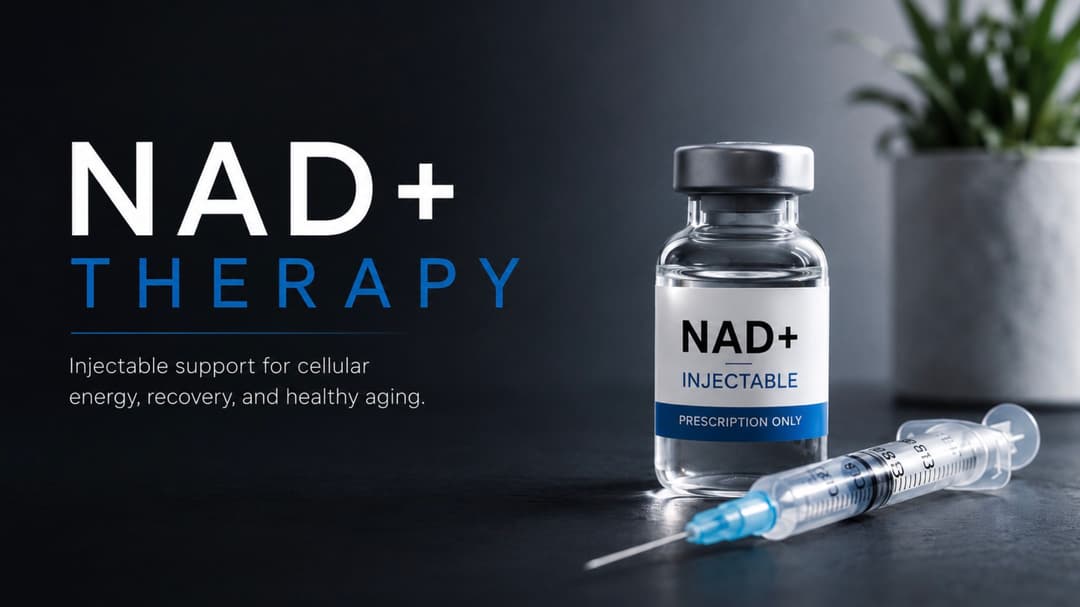
Pricing
$389 /90 days*
*This price is typical. The supply duration can be variable based on dosing schedule. Typically lasts 90 days.
Dosage
Dosage varies based on individual goals, medical history, tolerance, and clinical recommendations. Below are common NAD+ dosage guidelines:
Injectable NAD+: 50–150 mg daily or 2–3 times per week
Frequency: Daily, every other day, or 2–3 times weekly depending on the treatment plan
Supply Duration: A typical supply may last around 90 days, though actual duration can vary based on dosing schedule
Treatment Type: Injectable NAD+ prescribed after consultation discussion and clinical review
Note: NAD+ dosing should be personalized based on consultation discussion, patient goals, tolerance, medical history, and clinical recommendations. Do not copy another person’s NAD+ protocol, as the right dose and frequency can vary from patient to patient.
Side Effects
While NAD+ therapy is generally intended to be well tolerated when used appropriately, it may still cause side effects, especially if dosing is too high, increased too quickly, or not properly guided. Common or potential side effects include:
Digestive & General Effects
Nausea: Some patients may experience nausea, especially when starting NAD+ or when using higher doses.
Stomach Discomfort: Mild abdominal discomfort, cramping, or digestive upset may occur in some individuals.
Changes in Appetite: Some patients may notice temporary appetite changes depending on dose and individual response.
Neurological & Energy-Related Effects
Headache: Headaches may occur, particularly during the adjustment period or with dose sensitivity.
Fatigue: Although many patients seek NAD+ for energy support, some may feel temporarily tired or drained after treatment.
Dizziness or Lightheadedness: Some individuals may experience dizziness, especially if they are sensitive to the dose or are dehydrated.
Temporary Brain Fog: A small number of patients may feel mentally “off” or foggy during the adjustment period.
Circulatory & Sensitivity Effects
Flushing or Warmth: NAD+ may cause a temporary warm, flushed, or tingling sensation in some patients.
Changes in Blood Pressure or Heart Rate: Some individuals may notice temporary changes in heart rate, blood pressure, or overall sensitivity, particularly if they are prone to cardiovascular symptoms.
Injection Site Effects
Injection Site Redness or Irritation: Injectable NAD+ may cause redness, tenderness, swelling, or mild irritation at the injection site.
Injection Site Pain or Burning: Some patients may experience temporary stinging, burning, or discomfort during or after injection.
Bruising: Minor bruising can occur with any injectable treatment.
Sleep & Mood Effects
Sleep Changes: Some patients may notice changes in sleep quality, especially if NAD+ is taken later in the day.
Restlessness or Irritability: Although uncommon, some individuals may feel overstimulated, restless, or irritable depending on dose timing and sensitivity.
Other Potential Side Effects
Sensitivity Based on Dose or Frequency: Side effects may be more likely if the dose is increased too quickly or if the treatment schedule is too aggressive for the individual.
Medication or Health Condition Interactions: NAD+ therapy may not be appropriate for every patient, especially those with complex medical histories, active medical conditions, or certain medication considerations.
Note: Proper clinical guidance, conservative dosing, and treatment adjustments can help minimize side effects and improve tolerability. Patients should discuss their health history, medications, goals, and any side effects with a licensed clinician before and during NAD+ therapy.
*This price is typical. The supply duration can be variable based on dosing schedule. Typically lasts 90 days.
Benefits
- Cellular Energy Support
- Mitochondrial Function Support
- Recovery and Resilience Support
- Mental Clarity and Focus
- Healthy Aging Support
People are asking...
'm currently on TRT (cypionate 110ml/week) for really low T that presented itself after a chronic Rocky Mountain Spotted Fever and Anaplasmosis infect...
It is interesting that is has that effect for you, and your provider may suggest experimenting with the dosing & frequency further to see if it can provide that benefit more of the time since 110mg is... See Full Answer
When these neurosteroids bottom out, would that cause adhd medications to stop working? Would introducing HCG be a better option than supplementing wi...
Yes, when these neurosteroids are depleted, it would make focus and attention worse. This would typically mean that any treatments for attention would be less effective as well. Is hCG better than sup... See Full Answer
Is hcg necessary for the nuerochemical cascade that you wouldn’t get if you just took trt?...
Necessary? Not really considering the neurosteroids that are affected by TRT can actually be taken orally. Pregnenolone (and its derivative allopregnanolone) and DHEA-S can be purchased OTC and supple... See Full Answer
Benefits
- Cellular Energy Support
- Mitochondrial Function Support
- Recovery and Resilience Support
- Mental Clarity and Focus
- Healthy Aging Support
People are asking...
'm currently on TRT (cypionate 110ml/week) for really low T that presented itself after a chronic Rocky Mountain Spotted Fever and Anaplasmosis infect...
It is interesting that is has that effect for you, and your provider may suggest experimenting with the dosing & frequency further to see if it can provide that benefit more of the time since 110mg is... See Full Answer
When these neurosteroids bottom out, would that cause adhd medications to stop working? Would introducing HCG be a better option than supplementing wi...
Yes, when these neurosteroids are depleted, it would make focus and attention worse. This would typically mean that any treatments for attention would be less effective as well. Is hCG better than sup... See Full Answer
Is hcg necessary for the nuerochemical cascade that you wouldn’t get if you just took trt?...
Necessary? Not really considering the neurosteroids that are affected by TRT can actually be taken orally. Pregnenolone (and its derivative allopregnanolone) and DHEA-S can be purchased OTC and supple... See Full Answer
Related Articles


Legal Disclaimer
This website is a repository of publicly available information and is not intended to form a physician-patient relationship with any individual. The content of this website is for informational purposes only. The information presented on this website is not intended to take the place of your personal physician's advice and is not intended to diagnose, treat, cure, or prevent any disease. Discuss this information with your own physician or healthcare provider to determine what is right for you. All information is intended for your general knowledge only and is not a substitute for medical advice or treatment for specific medical conditions. The information contained herein is presented in summary form only and intended to provide broad consumer understanding and knowledge. The information should not be considered complete and should not be used in place of a visit, phone or telemedicine call, consultation or advice of your physician or other healthcare provider. Only a qualified physician in your state can determine if you qualify for and should undertake treatment.