
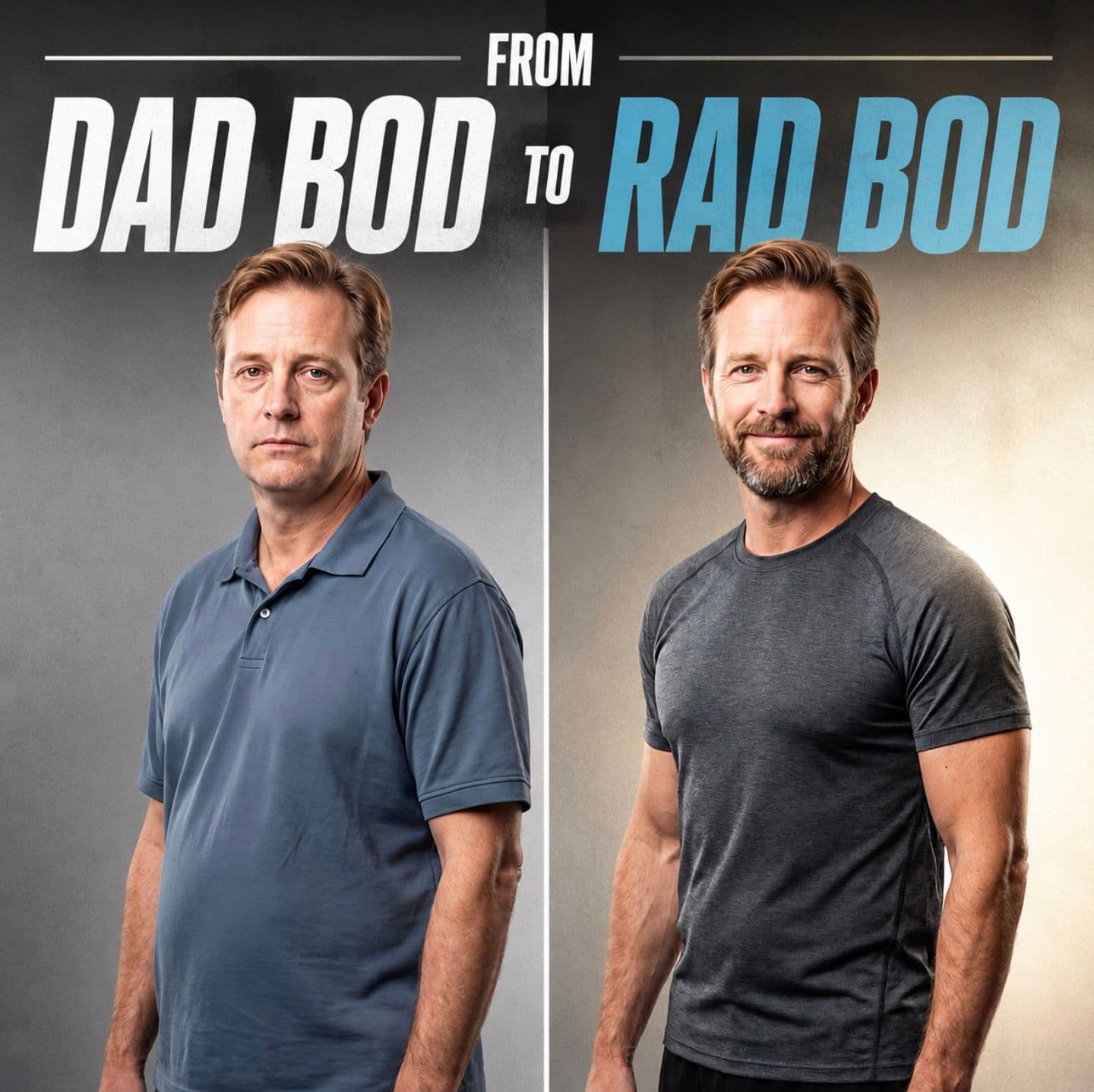
From Dad Bod to Rad Bod: How TRT Can Support Your Fitness Goals
Published on:
Updated on:
People are asking...
Fitness question: Many men think about starting TRT with their natural T levels in the 200-400 range. How much improvement in the gym would such patie...
In general, men who have levels in those ranges & who are experiencing low Testosterone symptoms will already have difficulty putting on muscle mass, maintaining it, and keeping fat off due to those f... See Full Answer
What you are doing is awesome guys! I would highly appreciate your input on my case. I have been working out in the gym/calisthenics/swimming/jogging...
To answer your questions in order: Varicocele is one of the only truly reversible causes of hypogonadism. It is a fairly minor procedure, so if you can get it taken care of now, there is a possibility... See Full Answer
I see people post on various threads on steroids and how they age substantially in a few years. Does TRT have similar effects or is that more hardcore...
For traditional TRT, aka non-bodybuilding levels of Testosterone, this is generally considered almost the opposite. Testosterone in men helps to maintain metabolism & low Testosterone often leads to i... See Full Answer
Have a question? Ask us.
At AlphaMD, we're here to help. Feel free to ask us any question you would like about TRT, medical weightloss, ED, or other topics related to men's health. Or take a moment to browse through our past questions.
If you've noticed that losing weight is harder than it used to be, your workouts aren't producing results, or your waistline keeps growing despite eating well, you're not alone.
Many men in their 30s, 40s, and 50s assume these changes are simply part of aging. While age does play a role, declining testosterone levels may also contribute to stubborn body fat, reduced muscle mass, slower recovery, and lower energy levels.
For men with clinically low testosterone, testosterone replacement therapy (TRT) may help restore hormone levels to a healthy range. Combined with consistent strength training, proper nutrition, and quality sleep, TRT can support meaningful improvements in body composition and overall fitness.
The key is understanding what TRT can realistically do—and what it can't.
Quick Answer: Can TRT Help You Lose Weight?
Yes—but not in the way many people think.
TRT is not a weight-loss medication, and it doesn't directly burn fat. Instead, restoring testosterone levels in men with testosterone deficiency may help:
- Increase lean muscle mass
- Improve strength and workout performance
- Boost energy and motivation for exercise
- Improve recovery between workouts
- Support healthier body composition over time
Because muscle tissue burns more calories than fat—even at rest—many men find it easier to lose fat and maintain a healthier weight after beginning TRT and adopting healthier lifestyle habits.
The biggest improvements occur when TRT is paired with:
- Progressive resistance training
- Adequate daily protein intake
- A calorie-controlled diet
- Consistent sleep
- Regular physical activity
Think of TRT as improving your body's ability to respond to healthy habits—not replacing them.
Why Low Testosterone Changes Your Body
Testosterone plays a much larger role than libido and sexual function.
It influences nearly every system involved in fitness, including:
- Muscle protein synthesis
- Fat metabolism
- Bone density
- Red blood cell production
- Recovery from exercise
- Insulin sensitivity
- Energy production
- Motivation and drive
When testosterone levels decline, many men notice gradual changes that seem to happen "all at once."
Common changes include:
- Increased belly fat
- Loss of muscle definition
- Reduced strength
- Slower metabolism
- Poor workout recovery
- Less motivation to exercise
- Fatigue throughout the day
Unfortunately, these changes often create a frustrating cycle.
Lower testosterone makes exercise more difficult.
Less exercise leads to additional muscle loss.
Less muscle lowers calorie expenditure.
More fat tissue may further disrupt hormone balance.
Breaking that cycle is where properly managed TRT may help.
What Causes the "Dad Bod"?
The term "dad bod" usually describes more than simply gaining a few extra pounds.
It often includes:
- Fat accumulating around the abdomen
- Shrinking muscle mass
- Softer chest and shoulders
- Reduced athletic performance
- Lower daily energy
- Difficulty recovering after workouts
While lifestyle certainly contributes, declining testosterone can accelerate many of these changes.
Research has consistently shown that men with testosterone deficiency often have:
- Higher body fat percentages
- Lower lean body mass
- Reduced muscle strength
- Increased waist circumference
That doesn't mean testosterone is the only cause—but it may be one important piece of the puzzle.
How TRT Supports Body Composition
One of the biggest misconceptions is that TRT causes dramatic weight loss.
What actually tends to happen is more interesting.
Many men experience a gradual shift in body composition rather than a large change on the scale.
For example:
A man may lose 10 pounds of fat while gaining 8 pounds of muscle.
The scale only changes by two pounds.
However, his waist shrinks, his clothes fit differently, and he appears much leaner.
This is why photos, waist measurements, and body fat percentage often tell a more meaningful story than body weight alone.
What Improvements Can Men Expect?
Every patient responds differently, but men receiving TRT for clinically confirmed testosterone deficiency may experience improvements in several areas.
Increased Lean Muscle Mass
Testosterone helps stimulate muscle protein synthesis, allowing muscles to repair and grow after resistance training.
This doesn't mean muscle appears automatically.
It means your body may respond more effectively to consistent strength training.
Better Workout Recovery
Many patients report:
- Less soreness
- Faster recovery
- Better workout consistency
- Improved training volume
Recovery is often overlooked, but it's one of the biggest factors determining long-term fitness success.
Improved Energy
Low testosterone commonly causes fatigue.
When testosterone levels return to a healthy range, many men report feeling more physically capable of exercising consistently.
That increased consistency often becomes one of the biggest drivers of long-term transformation.
Increased Strength
As lean muscle mass improves, many men notice gradual increases in:
- Bench press
- Squat
- Deadlift
- Grip strength
- Functional daily strength
These improvements usually occur over months—not weeks.
Improved Motivation
While TRT is not a treatment for lack of discipline, restoring normal hormone levels may help reduce the fatigue and low drive associated with testosterone deficiency.
Many patients find it easier to stay consistent with exercise and healthy eating once they simply feel better.
That consistency is where meaningful results begin.
TRT Is Not a Shortcut
One of the biggest myths online is that testosterone injections magically create an athletic physique.
They don't.
TRT cannot:
- Melt away belly fat overnight
- Replace a healthy diet
- Build muscle without resistance training
- Eliminate poor sleep
- Undo excessive alcohol consumption
- Compensate for a sedentary lifestyle
Men who experience the best results almost always combine TRT with healthy daily habits.
Think of TRT as helping your body respond more effectively to the work you're already putting in—not doing the work for you.
Have a question? Ask us.
At AlphaMD, we're here to help. Feel free to ask us any question you would like about TRT, medical weightloss, ED, or other topics related to men's health. Or take a moment to browse through our past questions.
People are asking...
Fitness question: Many men think about starting TRT with their natural T levels in the 200-400 range. How much improvement in the gym would such patie...
In general, men who have levels in those ranges & who are experiencing low Testosterone symptoms will already have difficulty putting on muscle mass, maintaining it, and keeping fat off due to those f... See Full Answer
What you are doing is awesome guys! I would highly appreciate your input on my case. I have been working out in the gym/calisthenics/swimming/jogging...
To answer your questions in order: Varicocele is one of the only truly reversible causes of hypogonadism. It is a fairly minor procedure, so if you can get it taken care of now, there is a possibility... See Full Answer
I see people post on various threads on steroids and how they age substantially in a few years. Does TRT have similar effects or is that more hardcore...
For traditional TRT, aka non-bodybuilding levels of Testosterone, this is generally considered almost the opposite. Testosterone in men helps to maintain metabolism & low Testosterone often leads to i... See Full Answer
Get $30 off your first month’s order
Enter your email address now to receive $30 off your first month’s cost, other discounts, and additional information about TRT.
Legal Disclaimer
This website is a repository of publicly available information and is not intended to form a physician-patient relationship with any individual. The content of this website is for informational purposes only. The information presented on this website is not intended to take the place of your personal physician's advice and is not intended to diagnose, treat, cure, or prevent any disease. Discuss this information with your own physician or healthcare provider to determine what is right for you. All information is intended for your general knowledge only and is not a substitute for medical advice or treatment for specific medical conditions. The information contained herein is presented in summary form only and intended to provide broad consumer understanding and knowledge. The information should not be considered complete and should not be used in place of a visit, phone or telemedicine call, consultation or advice of your physician or other healthcare provider. Only a qualified physician in your state can determine if you qualify for and should undertake treatment.