
Your Liver Enzymes Are High: Now What? A Real Talk Guide to ALT and AST
Published on:
Updated on:
People are asking...
I have chronically low SHBG and TRT hasn't changed this. All other blood markers are okay. Have you seen this before or have any information on it?...
There are many things that can effect SHBG levels. Body fat percentage, alcohol intake, vitamin D levels, problems with insulin levels or the thyroid, and even your diet. Typically, as sex hormone lev... See Full Answer
What can you tell me about my last labs? 160mg a week at 80mg twice a week. No AI. I do take boron, zinc twice a weekly. I'm concerned about E2 and SH...
SHBG is produced by your liver anytime it notices that you have too much of a sex hormone (estradiol, testosterone, DHT) floating around. Think about the testosterone you are injecting as a game where... See Full Answer
Any advice for guys with low E2, average testosterone, but high SHBG?...
Great question — this profile comes up fairly often. When SHBG is elevated, it can bind up more testosterone, meaning your free (bioavailable) T may be low even if total T looks "normal." That can lea... See Full Answer
Have a question? Ask us.
At AlphaMD, we're here to help. Feel free to ask us any question you would like about TRT, medical weightloss, ED, or other topics related to men's health. Or take a moment to browse through our past questions.
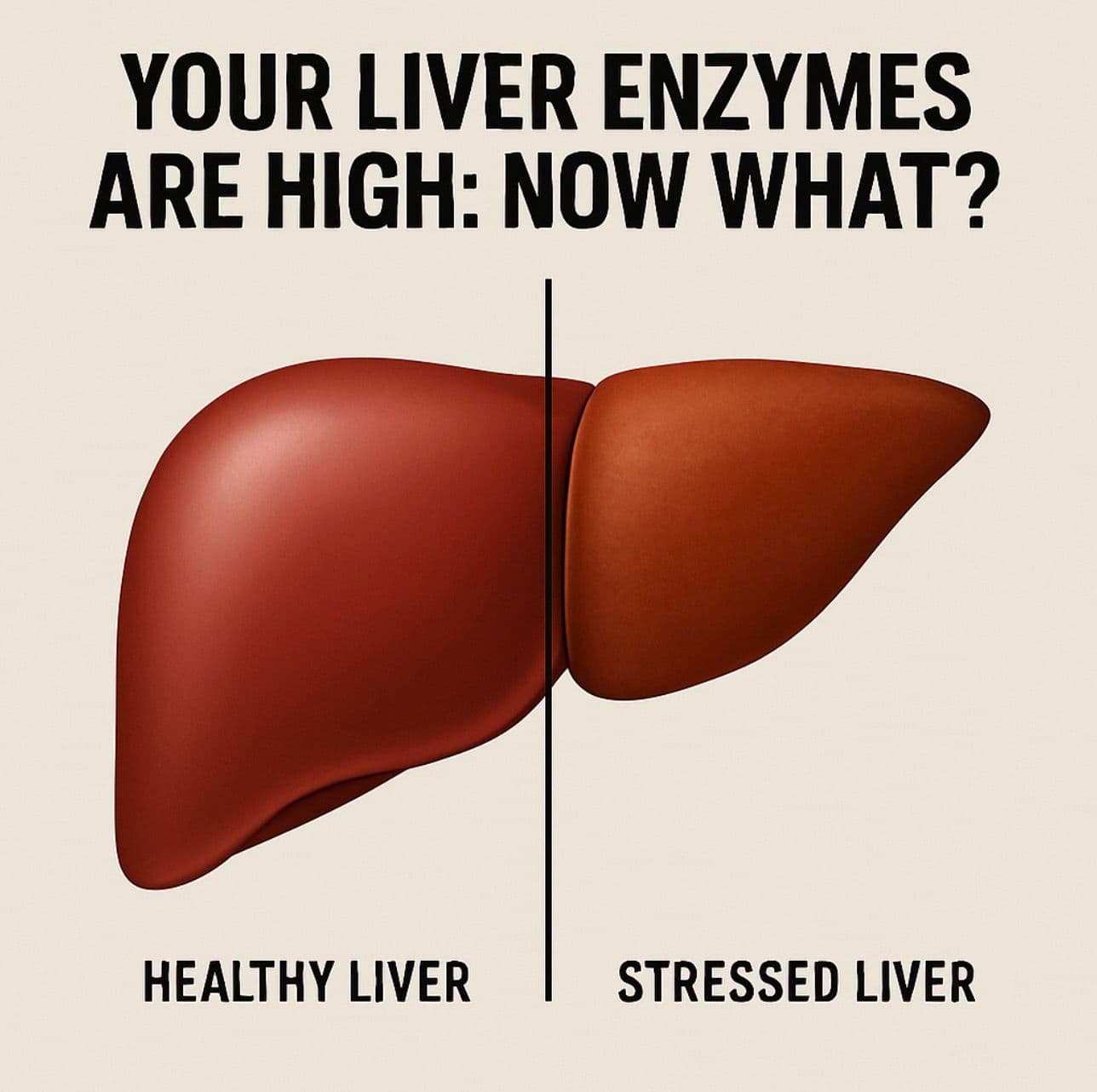
You just got your blood work back and there it is, highlighted in a way that makes your stomach drop a little. ALT: 62. AST: 58. Your doctor mentions something about "slightly elevated liver enzymes" and says to "keep an eye on it." But what does that actually mean, and should you be worried?
Let's cut through the medical jargon and talk about what's really going on with those numbers, especially if you're on TRT or considering it.
What Are ALT and AST Anyway?
Think of ALT (alanine aminotransferase) and AST (aspartate aminotransferase) as tiny workers inside your liver cells. When your liver is healthy and intact, these enzymes stay happily inside where they belong, doing their job of helping your liver process everything from last night's bourbon to the medications you're taking.
But when liver cells get damaged or stressed, they leak these enzymes into your bloodstream. That's what shows up on your blood test. Higher numbers mean more leaking, which usually means some degree of liver stress or inflammation.
AST also hangs out in other places beyond your liver, like your heart and muscles. ALT is more liver-specific, which is why doctors get more concerned when that number is elevated. It's a cleaner signal that something's going on with your liver specifically.
The Normal Range (And Why Context Matters More)
Most labs call normal anywhere from 10-40 IU/L, though some go up to 55 or 60. Here's what matters more than the textbook range: your individual context.
A guy at 45 IU/L who's been lifting heavy might be totally fine. Someone at 55 who's on multiple medications and drinking regularly? That's a different conversation. Your baseline matters. Your lifestyle matters. What else is showing up in your blood work matters.
If you're on TRT or considering it, understanding your liver function becomes even more important. Not because testosterone itself damages your liver, but because proper monitoring is part of responsible hormone optimization.
Does TRT Actually Affect Your Liver?
Here's the good news: injectable testosterone (which is what most guys on legitimate TRT use) is not hard on your liver. Injections bypass the first-pass metabolism through your liver, which means your liver enzymes should stay stable on standard TRT doses.
But there are some important caveats.
If you're using oral testosterone preparations, that's a completely different story. Oral forms have to pass through your liver first, and they can definitely elevate liver enzymes. This is one reason why injectable testosterone is the gold standard for TRT.
If you're adding other compounds to your protocol, things get more complicated. Some guys think they're just on "TRT" but are also taking oral anabolic steroids, prohormones, or other performance enhancers. Those absolutely can stress your liver, especially the oral versions. Being honest with yourself about what you're actually taking is crucial.
Your liver doesn't work in isolation. TRT can affect other things that impact your liver. If testosterone improves your body composition and insulin sensitivity, that's great for your liver. But if you're also drinking more because you feel better, or pushing your training too hard without adequate recovery, those factors matter too.
What Actually Makes These Numbers Climb?
Let's talk about the real culprits, because elevated liver enzymes on TRT are usually about everything else you're doing.
Alcohol is still enemy number one. Your liver processes alcohol the same whether you're on TRT or not. That nightly whiskey or weekend beer sessions can push your liver enzymes higher. If you're investing in hormone optimization, undermining it with regular drinking doesn't make much sense.
Medications and supplements pile up. Beyond your testosterone, what else are you taking? Statins for cholesterol? Pre-workout supplements with exotic ingredients? A dozen different capsules every morning because you're trying to optimize everything at once? Your liver processes all of it. Sometimes less is actually more.
Metabolic health is the foundation. Carrying extra body fat, especially visceral fat around your organs, can lead to fatty liver disease. This is incredibly common and often improves as TRT helps you build muscle and lose fat. But if you're on TRT and still eating garbage while barely moving, your liver enzymes might stay elevated or even climb.
Training intensity matters more than you think. Heavy compound lifts cause muscle breakdown that releases AST into your bloodstream. Getting blood work done the day after you crushed a PR on deadlifts might show elevated AST even though your liver is perfectly fine. Time your blood work intelligently.
When Should You Actually Worry?
Slightly elevated enzymes, like in the 50-70 range when normal tops out at 40? That's a yellow light. It means pay attention and figure out what's causing it, but it's not a crisis.
Numbers consistently over 100? That's orange territory. Something is definitely stressing your liver and you need to make changes.
If you're pushing 200-300 or higher, that's red alert status. That level of elevation suggests significant liver damage and requires immediate medical attention and possibly stopping any non-essential compounds.
But here's what matters most: the trend over time. One slightly high reading could be noise. Consistently climbing numbers over multiple tests? That's a pattern you can't ignore, especially if you're on TRT and want to stay on it long-term.
What To Actually Do About It
Get smarter about testing. If your numbers are elevated, wait at least 3-4 days after any heavy training session before retesting. Avoid alcohol for at least 72 hours before the test. Make sure you're well-hydrated. Get retested in 4-6 weeks to see if it was a one-time spike or a persistent issue.
Audit your entire stack. Look at everything you're taking with fresh eyes. Are you on injectable testosterone only, or have you added oral compounds? What about all those supplements? Could you simplify your protocol and see if the numbers improve?
Clean up the lifestyle factors. Cut alcohol entirely for a month and retest. Dial in your sleep. Make sure your diet isn't total garbage. These sound boring, but they work. Your liver is remarkably resilient when you give it a chance to recover.
Consider milk thistle and NAC. While these supplements won't fix a major liver problem, they can provide some support for general liver health. NAC (N-acetyl cysteine) in particular helps boost glutathione, your liver's primary antioxidant. This isn't a magic bullet, but it's reasonable supportive care.
Work with a provider who actually monitors you. This is where proper TRT care separates itself from "I got my testosterone from the internet and hope for the best." Regular blood work isn't just about checking your testosterone levels. It's about monitoring liver function, kidney function, blood counts, and lipids to make sure everything stays in healthy ranges.
The Real Bottom Line
Elevated liver enzymes aren't necessarily a stop sign for TRT, but they are a check engine light you can't ignore. Injectable testosterone at therapeutic doses shouldn't trash your liver. If your enzymes are climbing, it's usually about everything else: alcohol, oral compounds you shouldn't be taking, metabolic health, or lifestyle factors you need to address.
The goal isn't just to get your testosterone optimized. It's to dial in your entire health picture so you can feel great for decades, not just the next few months. That means paying attention to these markers and making intelligent adjustments when needed.
At AlphaMD, comprehensive lab work is built into the program because the provider overseeing your care tracks more than just your testosterone number. Getting dialed in means getting everything dialed in.
Your liver does hundreds of jobs every day keeping you alive. Taking care of it isn't optional if you want long-term health and performance. Now you know what those numbers mean and what to do about them.
Have a question? Ask us.
At AlphaMD, we're here to help. Feel free to ask us any question you would like about TRT, medical weightloss, ED, or other topics related to men's health. Or take a moment to browse through our past questions.
People are asking...
I have chronically low SHBG and TRT hasn't changed this. All other blood markers are okay. Have you seen this before or have any information on it?...
There are many things that can effect SHBG levels. Body fat percentage, alcohol intake, vitamin D levels, problems with insulin levels or the thyroid, and even your diet. Typically, as sex hormone lev... See Full Answer
What can you tell me about my last labs? 160mg a week at 80mg twice a week. No AI. I do take boron, zinc twice a weekly. I'm concerned about E2 and SH...
SHBG is produced by your liver anytime it notices that you have too much of a sex hormone (estradiol, testosterone, DHT) floating around. Think about the testosterone you are injecting as a game where... See Full Answer
Any advice for guys with low E2, average testosterone, but high SHBG?...
Great question — this profile comes up fairly often. When SHBG is elevated, it can bind up more testosterone, meaning your free (bioavailable) T may be low even if total T looks "normal." That can lea... See Full Answer
Get $30 off your first month’s order
Enter your email address now to receive $30 off your first month’s cost, other discounts, and additional information about TRT.
Legal Disclaimer
This website is a repository of publicly available information and is not intended to form a physician-patient relationship with any individual. The content of this website is for informational purposes only. The information presented on this website is not intended to take the place of your personal physician's advice and is not intended to diagnose, treat, cure, or prevent any disease. Discuss this information with your own physician or healthcare provider to determine what is right for you. All information is intended for your general knowledge only and is not a substitute for medical advice or treatment for specific medical conditions. The information contained herein is presented in summary form only and intended to provide broad consumer understanding and knowledge. The information should not be considered complete and should not be used in place of a visit, phone or telemedicine call, consultation or advice of your physician or other healthcare provider. Only a qualified physician in your state can determine if you qualify for and should undertake treatment.