
Sore After Your Shot? Let’s Talk About PIP and How to Beat It
Published on:
Updated on:
People are asking...
I'm on week 10 of injections. First 7 weeks no issues, now I'm getting hard spots and bruising. I switch legs and injection spots every time. How can ...
It does come down to personal preference, but there are many things you can do to reduce PIP. Rotating injection sites is a good start, let me share a few others. An easy one is to warm up your medic... See Full Answer
I got a shot Thursday and still quite sore in the buttocks. The more shots you get does the soreness decrease ?...
Yes, generally. Virgin muscles get more used to injections over time.... See Full Answer
How does one know they are allergic to a certain carrier oil?...
Itchiness after injections, especially around the injection site, rashes near it, swelling. It happens after each injection, then passes after a day. Then the best test would be taking decent dose ant... See Full Answer
Have a question? Ask us.
At AlphaMD, we're here to help. Feel free to ask us any question you would like about TRT, medical weightloss, ED, or other topics related to men's health. Or take a moment to browse through our past questions.
You finally get into a rhythm with your injections… and then boom. A sore, tender muscle that makes sitting, walking, or sleeping uncomfortable for days. If you’ve ever thought, “Is this normal or did I mess something up?” welcome to the club.
Post-injection pain, usually called PIP, is one of the most common annoyances people run into with TRT and other injectable medications. The good news is that most PIP has very fixable causes once you know what’s really going on.
What PIP Actually Is (and What It Isn’t)
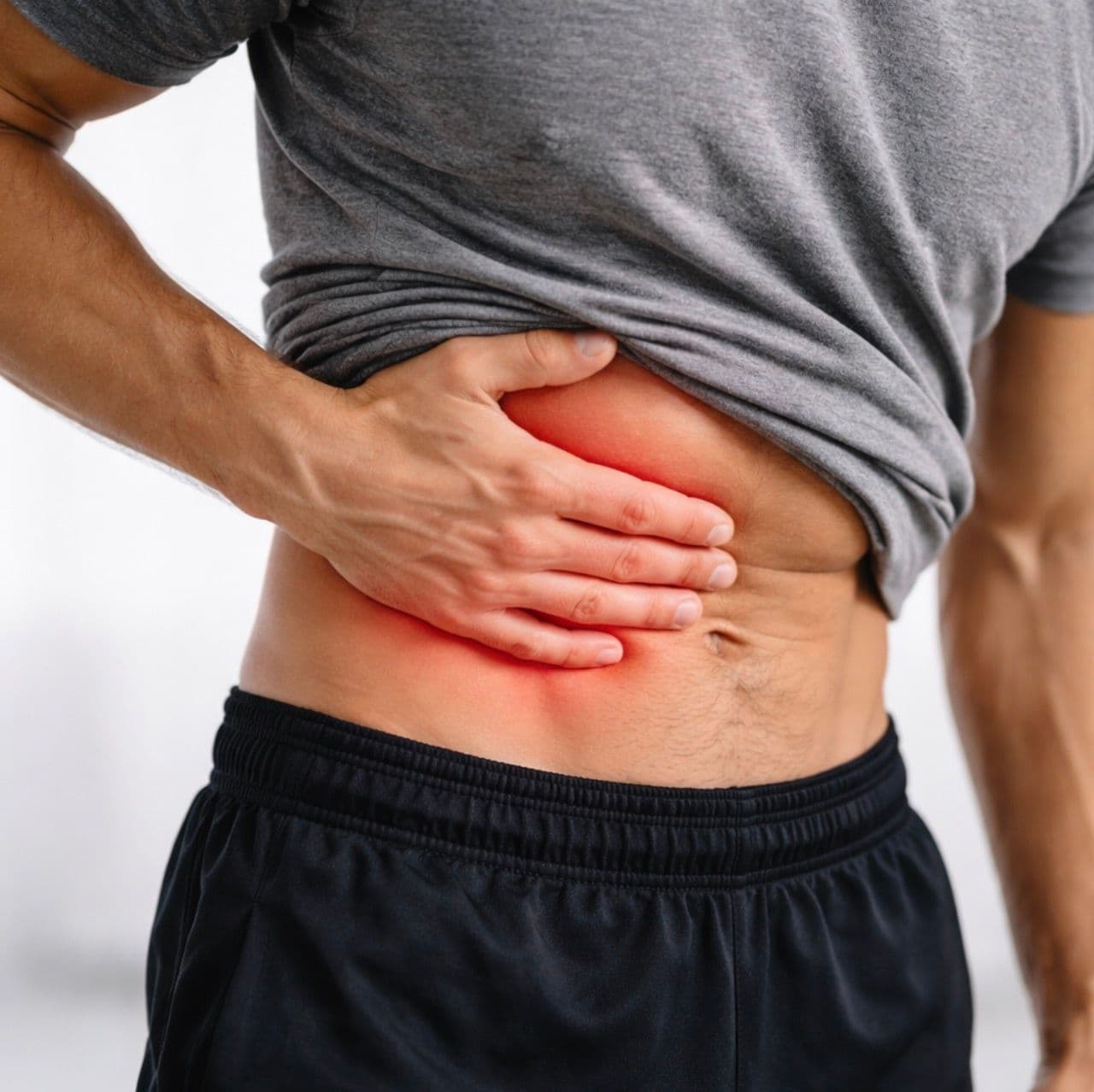
PIP is localized muscle soreness, tightness, or aching that shows up after an injection. Sometimes it’s mild and gone the next day. Other times it feels like you did leg day way too hard, except you didn’t.
What it usually is:
- Muscle irritation from the injection itself
- Inflammation from the oil or volume injected
- Mechanical trauma from needle technique
What it usually isn’t:
- An infection (those come with redness, heat, swelling, fever, or worsening pain)
- Your body “rejecting” testosterone
- A sign that TRT isn’t working for you
Understanding that difference matters because PIP is annoying, not dangerous in most cases. And annoyance is something we can work with.
The Sneaky Reasons PIP Happens
Most people assume PIP means they hit a bad spot. Sometimes that’s true, but more often it’s a combination of smaller factors stacking up.
The oil matters more than you think
Testosterone is suspended in oil, not water. Thicker oils move slower through muscle tissue and can irritate it more. If you inject quickly or your muscle is tight, that oil has nowhere to go, so it pushes back.
This is why some people notice more PIP with certain formulations or higher concentrations. More hormone per milliliter often means thicker oil.
Injection speed is a big deal
Fast injections stretch muscle fibers abruptly. That micro-trauma is a major PIP trigger. Slow injections allow the muscle to accommodate the oil instead of fighting it.
If you’re plunging the syringe in five seconds, your muscle is probably filing a complaint.
Needle size and depth
Using a needle that’s too large, too short, or inserted at an odd angle can increase tissue damage. Too shallow and the oil sits in tissue that doesn’t like it. Too aggressive and you irritate deeper muscle fibers.
Muscle tension
Injecting into a clenched muscle is like trying to pour honey into a stiff sponge. Relaxed muscle equals less resistance and less pain later.
A Relatable Scenario You Might Recognize
Let’s say you inject your glute before heading out the door. You’re standing, weight on one leg, rushing a bit. You inject quickly, massage it for five seconds, and move on.
That night, it feels tight. The next day, sitting is uncomfortable. By day three, you’re wondering if you should switch injection sites forever.
Nothing went “wrong” in a dramatic way. But speed, tension, and positioning stacked the deck against you.
How to Reduce PIP Starting With Your Very Next Injection
This is where things get practical. Small adjustments often make a huge difference.
Slow down more than you think you need to
A good rule is 30 to 60 seconds per milliliter. Yes, it feels long. Yes, it works.
Slower injections reduce pressure buildup and let the oil disperse naturally.
Warm the oil first
Cold oil is thicker. Hold the loaded syringe in your hand for a minute or tuck it under your arm. Warmer oil flows easier and irritates muscle less.
Relax the muscle completely
Sit or lie down when possible. If you’re injecting your glute, keep weight off that side. For quads, sit with your leg relaxed and supported.
If the muscle is tense, stop and reset before injecting.
Don’t overdo the massage
A gentle rub afterward helps spread the oil. Aggressive massaging can actually increase inflammation. Think encouragement, not punishment.
Rotate sites consistently
Hitting the same exact spot week after week increases irritation. Rotating between left and right sides and slightly different locations gives tissue time to recover.
What About Injection Frequency?
Some people assume fewer injections mean less pain. That sounds logical, but it’s often the opposite.
Larger, less frequent injections mean more oil at once. More volume equals more pressure and higher odds of PIP. Splitting your dose into smaller, more frequent injections often reduces soreness dramatically.
If you’ve ever noticed that your smallest injections hurt the least, that’s not a coincidence.
Addressing the Common Pushback
“I’ve been injecting the same way for years. Why does it hurt now?”
Bodies change. Muscle density, fat distribution, and tissue sensitivity can shift over time. A technique that worked perfectly at one point might need small tweaks later.
“I get PIP no matter what I do.”
Sometimes PIP is formulation-specific. Some oils simply don’t agree with certain people. In those cases, changing injection frequency, site, or formulation can make a night-and-day difference.
“I thought soreness meant the testosterone was absorbing better.”
Absorption doesn’t work like that. Pain isn’t a sign of effectiveness. Comfortable injections and good hormone levels go hand in hand.
When PIP Should Make You Pause
While most PIP is harmless, pay attention if pain:
- Gets worse instead of better after several days
- Comes with redness, warmth, or swelling
- Is accompanied by fever or flu-like symptoms
Those situations deserve a conversation with your provider. Trust your instincts.
Why Coaching Matters More Than People Realize
PIP is one of those things that gets brushed off with “you’ll get used to it.” But you shouldn’t have to dread injections or plan your week around soreness.
This is where having a provider who actually talks through technique, dosing strategy, and formulation options matters. At AlphaMD, these conversations happen every day because quality TRT isn’t just about lab numbers. It’s about sustainability and comfort in real life.
Making Peace With the Needle
Injections don’t have to be a battle. When technique, timing, and dosing align, most people barely notice their shots after a while.
If PIP has been part of your routine, take it as feedback, not failure. Adjust one or two variables and reassess. Most of the time, that’s all it takes.
And when you have support from a team that understands both the science and the day-to-day reality of TRT, those adjustments get a lot easier.
Have a question? Ask us.
At AlphaMD, we're here to help. Feel free to ask us any question you would like about TRT, medical weightloss, ED, or other topics related to men's health. Or take a moment to browse through our past questions.
People are asking...
I'm on week 10 of injections. First 7 weeks no issues, now I'm getting hard spots and bruising. I switch legs and injection spots every time. How can ...
It does come down to personal preference, but there are many things you can do to reduce PIP. Rotating injection sites is a good start, let me share a few others. An easy one is to warm up your medic... See Full Answer
I got a shot Thursday and still quite sore in the buttocks. The more shots you get does the soreness decrease ?...
Yes, generally. Virgin muscles get more used to injections over time.... See Full Answer
How does one know they are allergic to a certain carrier oil?...
Itchiness after injections, especially around the injection site, rashes near it, swelling. It happens after each injection, then passes after a day. Then the best test would be taking decent dose ant... See Full Answer
Get $30 off your first month’s order
Enter your email address now to receive $30 off your first month’s cost, other discounts, and additional information about TRT.
Legal Disclaimer
This website is a repository of publicly available information and is not intended to form a physician-patient relationship with any individual. The content of this website is for informational purposes only. The information presented on this website is not intended to take the place of your personal physician's advice and is not intended to diagnose, treat, cure, or prevent any disease. Discuss this information with your own physician or healthcare provider to determine what is right for you. All information is intended for your general knowledge only and is not a substitute for medical advice or treatment for specific medical conditions. The information contained herein is presented in summary form only and intended to provide broad consumer understanding and knowledge. The information should not be considered complete and should not be used in place of a visit, phone or telemedicine call, consultation or advice of your physician or other healthcare provider. Only a qualified physician in your state can determine if you qualify for and should undertake treatment.