
TRT Before and After: What Changes Can You Expect From Testosterone Replacement Therapy?
Published on:
Updated on:
People are asking...
Do you think patients can return back to their pre TRT levels in the case they have to come off due to unforeseen side effects or complications?...
Yes. Licensed providers have seen this numerous times. Many patients come to AlphaMD after having been off TRT for awhile for one reason or another. When their labs are compared, their testosterone le... See Full Answer
If I get on TRT, besides energy and mood, are there other effects I will see? I am naturally not a hairy person, I don’t have an overly deep voice….et...
You should expect increased libido, better erection quality, improved sleep, reduced anxiety/depression, better confidence. TRT does speed hair loss in those who are already predisposed to hair loss (... See Full Answer
Is getting on TRT a lifetime commitment? Should I expect bad side effects from coming off of it? Just wondering if I’ll be a 80 year old one day on TR...
Yes & no. It's better to think of it this way: If you have low Testosterone & do not treat it, you are committing to a life-time of low Testosterone symptoms that will for a fact always worsen with ag... See Full Answer
Have a question? Ask us.
At AlphaMD, we're here to help. Feel free to ask us any question you would like about TRT, medical weightloss, ED, or other topics related to men's health. Or take a moment to browse through our past questions.
Testosterone replacement therapy can produce meaningful changes in men who have symptoms of testosterone deficiency and consistently low testosterone levels.
The most commonly reported improvements involve libido, energy, motivation, strength, exercise recovery, and body composition. However, TRT results are rarely immediate or identical from one patient to another.
Some changes may become noticeable within several weeks. Improvements in muscle mass, fat distribution, and bone density can take several months or longer.
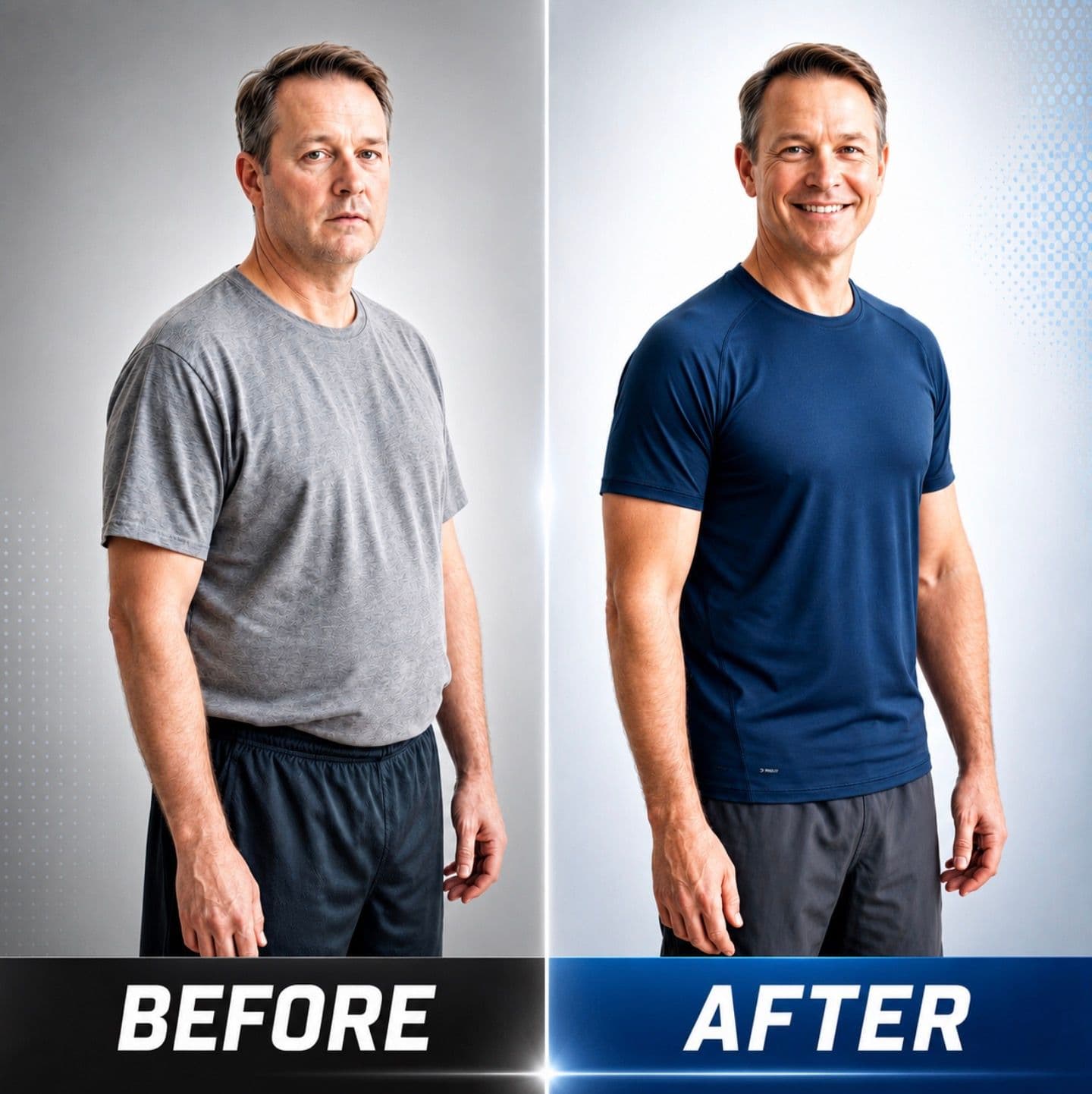
The clearest difference before and after TRT is usually not a dramatic overnight transformation. It is the gradual improvement of low-testosterone symptoms as hormone levels are restored and treatment is adjusted to the individual.
TRT Before and After at a Glance
Before TRT, a man with testosterone deficiency may experience:
- Persistent fatigue or low stamina
- Reduced libido
- Fewer morning erections
- Brain fog or difficulty concentrating
- Irritability or low motivation
- Loss of strength or muscle
- Increased abdominal fat
- Poor workout recovery
- Reduced confidence or sense of well-being
After beginning medically supervised TRT, some men may notice:
- More consistent energy and stamina
- Increased sexual interest
- Improved morning erections or sexual function
- Better focus and mental clarity
- Improved mood and motivation
- Better muscle maintenance and training response
- Gradual improvements in body composition
- Improved recovery between workouts
- A stronger overall sense of well-being
These changes are possible, not guaranteed. Results depend on whether testosterone deficiency is actually causing the symptoms, as well as the patient’s dose, baseline health, sleep, nutrition, activity level, stress, and treatment adherence.
What Is TRT?
Testosterone replacement therapy, commonly called TRT, is a medically supervised treatment used to replace testosterone when the body is not producing enough on its own.
Testosterone contributes to:
- Sexual desire and function
- Muscle maintenance
- Bone density
- Red blood cell production
- Mood and motivation
- Energy and physical performance
- Body composition
- Cognitive function
TRT is not intended to push testosterone to bodybuilding or performance-enhancing levels. Its purpose is to restore testosterone to an appropriate physiological range while improving symptoms and monitoring the patient’s response.
Men considering treatment can learn more about AlphaMD’s testosterone replacement therapy program.
What Does Low Testosterone Feel Like Before TRT?
Low testosterone does not look or feel exactly the same in every man.
Symptoms can also overlap with sleep deprivation, depression, thyroid disorders, obesity, medication side effects, chronic stress, sleep apnea, and other medical conditions.
Physical symptoms of low testosterone
Physical symptoms may include:
- Persistent fatigue
- Loss of strength
- Reduced muscle mass
- Increased abdominal fat
- Poor exercise recovery
- Reduced endurance
- Lower bone density
- Changes in sleep quality
Mental and emotional symptoms
Mental and emotional symptoms may include:
- Brain fog
- Difficulty concentrating
- Low motivation
- Irritability
- Reduced confidence
- Low mood
- A general loss of drive
Sexual symptoms
Sexual symptoms may include:
- Reduced libido
- Fewer morning erections
- Erectile difficulties
- Reduced sexual satisfaction
- Fertility concerns
Symptoms alone are not enough to diagnose testosterone deficiency. A proper evaluation should consider symptoms, medical history, physical health, and appropriately timed testosterone testing.
What Changes After Starting TRT?
Men with confirmed testosterone deficiency may experience improvements across several areas. The timing and degree of improvement vary from one patient to another.
1. Libido and Sexual Interest
Libido is often one of the first areas in which men notice a difference.
Some patients report renewed sexual interest during the first several weeks of treatment. Others may need more time before noticing a meaningful change.
TRT may also support erectile function when low testosterone is contributing to the problem. However, erectile dysfunction can have many other causes, including:
- Cardiovascular disease
- Diabetes
- Medication side effects
- Anxiety
- Poor blood flow
- Neurological conditions
- Relationship factors
TRT is therefore not a guaranteed cure for erectile dysfunction.
2. Energy and Motivation
Some men notice that they feel less exhausted, more motivated, or better able to complete daily activities after starting TRT.
This may occur within the first several weeks, although TRT should not feel like an immediate stimulant.
A sudden surge followed by a crash may indicate that hormone levels, dosing frequency, sleep quality, or another health factor should be evaluated.
3. Mood and Mental Clarity
Men with testosterone deficiency sometimes report improvements in:
- Motivation
- Mental focus
- Confidence
- Irritability
- General well-being
These changes are not universal.
TRT is also not a replacement for appropriate treatment of depression, anxiety, or another mental health condition. Low testosterone may contribute to certain symptoms, but it may not be the only cause.
4. Muscle Mass and Strength
TRT can support the maintenance and development of lean muscle in men with low testosterone.
Changes are more likely to become visible when treatment is combined with:
- Resistance training
- Adequate protein
- Sufficient calories
- Proper recovery
- Consistent sleep
- Progressive exercise
TRT does not build a dramatically muscular body without training. It may improve the biological environment for muscle growth, but exercise and nutrition still determine much of the outcome.
5. Body Fat and Waist Size
Some men experience a gradual reduction in fat mass or improved fat distribution after testosterone levels are restored.
TRT is not a weight-loss medication. It does not override:
- Excessive calorie intake
- Physical inactivity
- Poor sleep
- Heavy alcohol consumption
- Chronic stress
- Untreated metabolic conditions
In many cases, TRT’s most important contribution is helping a man regain enough energy, strength, and motivation to exercise consistently.
The number on the scale may also change less than expected because a patient can gain lean muscle while losing fat.
6. Workout Recovery and Performance
Some men report improvements in:
- Soreness between workouts
- Training consistency
- Strength progression
- Exercise capacity
- Recovery time
These effects usually develop gradually rather than appearing immediately after the first injection.
TRT may help restore a more normal response to exercise in men with low testosterone, but it does not replace a well-designed training program.
7. Bone Health
Testosterone plays a role in maintaining bone mineral density.
Men with prolonged testosterone deficiency may have weaker bones or an increased risk of osteoporosis.
Bone-density improvements occur more slowly than changes in libido or energy. Meaningful changes may require many months or years of properly managed treatment.
TRT Results Timeline: What to Expect
There is no exact timeline that applies to every patient. However, the following provides a practical overview of when changes may begin to occur.
Weeks 1 to 4
Some men begin noticing early changes in:
- Libido
- Energy
- Motivation
- Mood
- Mental clarity
Other men feel very little during the first month.
That does not necessarily mean treatment is failing. Injectable testosterone levels and symptom response can take time to stabilize, and the body may need several weeks to adjust.
Weeks 4 to 8
Changes may become more consistent during the second month.
Possible improvements include:
- Increased sexual interest
- Better workout recovery
- More stable energy
- Improved focus
- A stronger sense of well-being
This is also a period when side effects or hormone fluctuations may become more noticeable.
Months 3 to 6
Longer-term physical changes may become easier to see after several months.
These may include:
- Improved strength
- Increased lean mass
- Reduced fat mass
- Better training performance
- More stable relief from low-testosterone symptoms
Body-composition changes generally take longer than changes in libido, energy, or mood.
Six Months and Beyond
Continued improvement may occur in:
- Body composition
- Muscle development
- Bone density
- Long-term symptom stability
- Overall quality of life
Long-term results depend on maintaining an appropriate treatment plan, completing follow-up testing, and addressing sleep, nutrition, exercise, alcohol use, and other lifestyle factors.
Will TRT Change Your Face?
TRT does not usually create a completely different facial structure in an adult man.
However, a person may look different after several months because of changes in:
- Facial fat
- Water retention
- Muscle tone
- Skin oil production
- Facial hair growth
- Sleep quality
- Energy and expression
- Overall body composition
Some men appear healthier or more alert simply because they are sleeping better, exercising more, losing fat, and feeling more energetic.
Excessive dosing may cause unwanted facial puffiness, acne, oily skin, or water retention. These are reasons to review the treatment plan rather than assuming more testosterone will produce better results.
Does TRT Make You Look Younger?
TRT is not an anti-aging treatment, and it cannot reverse normal aging.
A man may look healthier after treatment if low testosterone contributed to:
- Fatigue
- Muscle loss
- Increased body fat
- Poor sleep
- Reduced activity
- Low motivation
Improvements in posture, body composition, confidence, and energy can create a younger or more vital appearance.
That is different from TRT directly reversing the aging process.
How Much Muscle Can You Gain on TRT?
There is no reliable amount of muscle gain that applies to every patient.
Results depend on:
- Baseline testosterone level
- Training experience
- Resistance-training program
- Protein intake
- Calorie intake
- Age
- Genetics
- Sleep quality
- Treatment dose
- Consistency
- Other medical conditions
TRT prescribed for testosterone deficiency should restore physiological hormone levels. It should not be compared with the supraphysiological doses sometimes used for bodybuilding.
Does TRT Help You Lose Belly Fat?
TRT may support an improvement in body composition when low testosterone has contributed to muscle loss, low energy, and increased fat mass.
It does not specifically target belly fat.
Abdominal-fat loss still depends heavily on:
- Calorie balance
- Protein intake
- Physical activity
- Resistance training
- Sleep
- Alcohol consumption
- Stress management
- Insulin sensitivity
- Overall metabolic health
A successful TRT before-and-after result usually reflects TRT combined with healthier behaviors, not TRT alone.
Why Do Some Men See Better TRT Results Than Others?
TRT results differ because every patient begins treatment with a different health profile.
Starting Testosterone Level
A man with clearly deficient testosterone and compatible symptoms may notice more meaningful changes than someone whose testosterone was already within a healthy range.
The Actual Cause of the Symptoms
Fatigue, low libido, brain fog, and weight gain are not caused exclusively by testosterone deficiency.
If untreated sleep apnea, thyroid disease, depression, medication effects, diabetes, obesity, or another condition is the primary cause, TRT may provide limited relief.
Dose and Injection Frequency
An inappropriate dose can produce testosterone levels that are too low, too high, or highly variable.
Treatment should be adjusted according to symptoms, laboratory results, side effects, and the patient’s individual response. A protocol should not simply be copied from another patient.
Lifestyle
TRT cannot fully compensate for:
- Chronic sleep deprivation
- Heavy drinking
- Poor nutrition
- Physical inactivity
- Extreme stress
- Inconsistent treatment
- Untreated health conditions
Time
Many patients evaluate TRT too soon.
Changes in libido, energy, and mood may appear relatively early. Physical changes in muscle mass, strength, waist size, and body composition generally require several months of consistency.
What Can Prevent Good TRT Results?
Several common mistakes can interfere with progress:
- Expecting immediate results
- Changing the dose without medical guidance
- Skipping injections
- Copying another patient’s protocol
- Ignoring follow-up laboratory testing
- Assuming every symptom is caused by testosterone
- Neglecting sleep and nutrition
- Avoiding resistance training
- Drinking heavily
- Treating a laboratory number instead of the complete clinical picture
The objective is not to reach the highest possible testosterone level.
The goal is to identify an effective dose that improves symptoms while keeping important health markers within appropriate ranges.
What Side Effects Can Occur After Starting TRT?
Possible side effects of testosterone treatment may include:
- Acne or oily skin
- Fluid retention
- Increased hematocrit or red blood cell count
- Changes in blood pressure
- Breast tenderness
- Changes in estradiol
- Testicular shrinkage
- Reduced sperm production
- Mood changes when levels fluctuate
- Worsening of untreated sleep apnea
- Injection-site discomfort
The presence of a side effect does not always mean treatment must be stopped. It does mean the symptom should be discussed with the clinician managing the treatment plan.
TRT Before and After Bloodwork
The most important TRT transformation is not always visible in a photograph.
It is often found in symptoms, laboratory values, blood pressure, and objective health markers.
Before treatment, testing may include:
- Total testosterone
- Free testosterone when appropriate
- Complete blood count
- Hematocrit
- Estradiol when clinically appropriate
- PSA when appropriate
- Metabolic markers
- Additional hormonal testing based on the clinical picture
After treatment begins, follow-up testing helps determine:
- Whether testosterone levels are in the intended range
- Whether symptoms are improving
- Whether hematocrit is rising
- Whether estradiol-related symptoms are present
- Whether the dose or schedule should be adjusted
- Whether blood pressure or other health markers have changed
TRT should not be treated as a set-it-and-forget-it prescription.
Ongoing monitoring is an essential part of responsible testosterone treatment.
TRT and Fertility: An Important Before-and-After Change
Men who want to have children should discuss fertility before beginning TRT.
External testosterone can suppress the hormonal signals responsible for natural sperm production. This can significantly reduce sperm counts and, in some cases, result in azoospermia, meaning no sperm are detected in the semen.
Fertility may recover after TRT is discontinued, but the timing and degree of recovery vary.
Some men may be candidates for alternative or additional treatments depending on their fertility goals and medical circumstances.
TRT should not be described as a treatment that increases sperm production.
What Does a Successful TRT Transformation Look Like?
A successful TRT outcome does not necessarily mean becoming extremely muscular or looking completely different.
For many men, success looks more like:
- Waking up with more consistent energy
- Regaining sexual interest
- Thinking more clearly
- Training regularly again
- Recovering better after exercise
- Rebuilding strength
- Feeling more motivated
- Reducing symptoms without troublesome side effects
- Maintaining appropriate laboratory markers
- Feeling more like themselves again
The best TRT results are both visible and measurable, but they should also be safe and sustainable.
Frequently Asked Questions About TRT Before and After Results
How quickly will I feel different after starting TRT?
Some men notice changes in libido, energy, motivation, or mood within the first several weeks.
More substantial changes in strength, muscle mass, and body composition generally take several months.
Will TRT automatically make me muscular?
No.
TRT may support muscle maintenance and growth in men with low testosterone, but resistance training, protein intake, recovery, sleep, and consistency remain essential.
Can TRT help with weight loss?
TRT is not a weight-loss drug.
It may support better body composition by improving energy, muscle maintenance, and training capacity when testosterone is deficient.
Will TRT eliminate erectile dysfunction?
Not always.
TRT may improve sexual function when testosterone deficiency is a contributing factor. Erectile dysfunction can also be caused by vascular disease, diabetes, medications, anxiety, neurological conditions, and other health issues.
Does TRT increase sperm count?
No.
External testosterone can suppress natural sperm production and reduce fertility.
How long before TRT changes are visible?
Visible changes in body composition commonly require at least three to six months and may take longer.
The timeline depends on training, nutrition, baseline health, treatment response, dose, consistency, and other medical factors.
Can TRT change your personality?
Properly managed TRT should not create an entirely new personality.
Some men report improved motivation, confidence, mood, or mental clarity. Excessive testosterone levels or large hormonal fluctuations may contribute to irritability or mood changes and should be reviewed by the treating clinician.
Do you have to stay on TRT permanently?
TRT is often a long-term treatment because it replaces testosterone that the body is not producing adequately.
If treatment stops, testosterone levels and symptoms may return toward their previous state. Decisions about stopping TRT should be made with the clinician overseeing treatment.
The Bottom Line
TRT before-and-after changes are usually gradual.
Men with confirmed testosterone deficiency may experience improvements in libido, energy, motivation, strength, exercise recovery, and body composition. Results vary and depend on proper diagnosis, individualized dosing, ongoing monitoring, and lifestyle.
TRT should not be viewed as an instant physical transformation or a substitute for exercise, nutrition, sleep, and comprehensive medical care.
The most successful treatment plans focus on symptom relief, appropriate testosterone levels, sustainable progress, and long-term health.
Men experiencing persistent symptoms of low testosterone should begin with bloodwork and a clinical evaluation rather than relying on symptoms or before-and-after photographs alone.
Have a question? Ask us.
At AlphaMD, we're here to help. Feel free to ask us any question you would like about TRT, medical weightloss, ED, or other topics related to men's health. Or take a moment to browse through our past questions.
People are asking...
Do you think patients can return back to their pre TRT levels in the case they have to come off due to unforeseen side effects or complications?...
Yes. Licensed providers have seen this numerous times. Many patients come to AlphaMD after having been off TRT for awhile for one reason or another. When their labs are compared, their testosterone le... See Full Answer
If I get on TRT, besides energy and mood, are there other effects I will see? I am naturally not a hairy person, I don’t have an overly deep voice….et...
You should expect increased libido, better erection quality, improved sleep, reduced anxiety/depression, better confidence. TRT does speed hair loss in those who are already predisposed to hair loss (... See Full Answer
Is getting on TRT a lifetime commitment? Should I expect bad side effects from coming off of it? Just wondering if I’ll be a 80 year old one day on TR...
Yes & no. It's better to think of it this way: If you have low Testosterone & do not treat it, you are committing to a life-time of low Testosterone symptoms that will for a fact always worsen with ag... See Full Answer
Get $30 off your first month’s order
Enter your email address now to receive $30 off your first month’s cost, other discounts, and additional information about TRT.
Legal Disclaimer
This website is a repository of publicly available information and is not intended to form a physician-patient relationship with any individual. The content of this website is for informational purposes only. The information presented on this website is not intended to take the place of your personal physician's advice and is not intended to diagnose, treat, cure, or prevent any disease. Discuss this information with your own physician or healthcare provider to determine what is right for you. All information is intended for your general knowledge only and is not a substitute for medical advice or treatment for specific medical conditions. The information contained herein is presented in summary form only and intended to provide broad consumer understanding and knowledge. The information should not be considered complete and should not be used in place of a visit, phone or telemedicine call, consultation or advice of your physician or other healthcare provider. Only a qualified physician in your state can determine if you qualify for and should undertake treatment.