
FDA Approves Oral Testosterone: The Needle-Free TRT Revolution
Published on:
Updated on:
People are asking...
For someone who is new to this topic, yet interested in TRT if needed, would a pill or topical form be a reliable method of TRT? I have no experienc...
In general oral medications tend to be the least successful with the most amount of side effects. Topical or injectable medications are more direct applications of Testosterone & much better for bene... See Full Answer
How do you feel about oral trt that some competitors have begun to offer?...
It is intriguing. Oral testosterone is likely the future of TRT, though there are not many studies yet on the true efficacy of them. Currently, all safe forms of oral testosterone are on patent (Jaten... See Full Answer
Do you foresee patients currently dependent on TRT to sort of be “screwed” at any point due to increased regulations that make it so they can no longe...
I don’t have a crystal ball, but I don’t see that being a problem. Treatment is becoming more prevalent because providers are better at recognizing the symptoms, more open about talking about it, and ... See Full Answer
Have a question? Ask us.
At AlphaMD, we're here to help. Feel free to ask us any question you would like about TRT, medical weightloss, ED, or other topics related to men's health. Or take a moment to browse through our past questions.
If you've been putting off testosterone replacement therapy because the thought of regular injections makes you queasy, or if you're tired of the daily ritual of messy gels that rub off on your partner and kids, there's finally a new option worth discussing with your doctor.
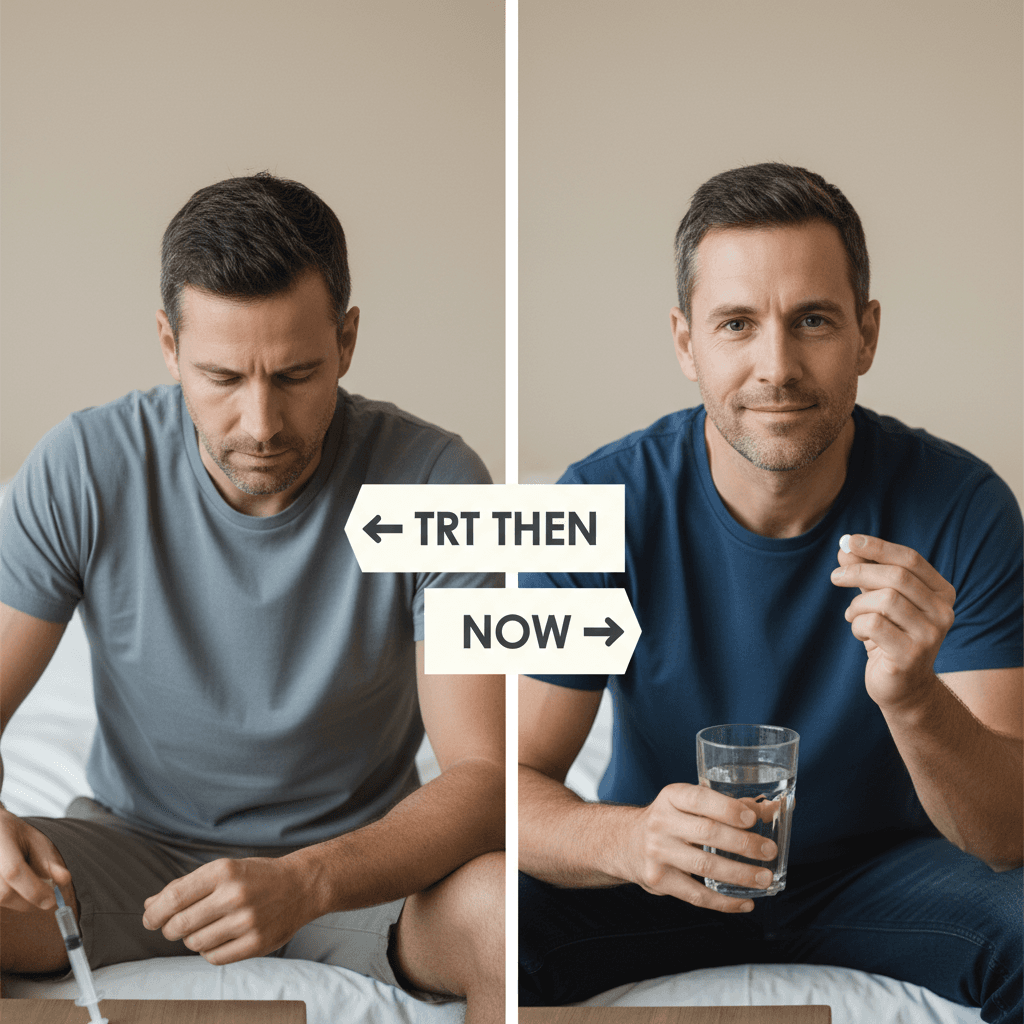
The FDA's approval of oral testosterone represents the first truly practical pill-based option for men who need testosterone replacement therapy. For decades, men with clinically low testosterone faced a frustrating menu of imperfect choices: weekly or twice-weekly injections, daily topical gels that transfer to others through skin contact, or patches that irritate the skin. Each method worked for some men but created barriers for others, and many guys who could have benefited from treatment simply opted out because none of the delivery methods fit their lives.
When Testosterone Treatment Meant Needles Or Nothing
Testosterone replacement therapy treats hypogonadism, a medical condition where the testicles don't produce enough testosterone. This isn't about the gradual, modest decline that happens as men age. True hypogonadism causes specific symptoms that significantly impact quality of life: profound fatigue that doesn't improve with sleep, loss of muscle mass and strength, stubborn weight gain particularly around the midsection, diminished libido, erectile difficulties, mood changes including depression and irritability, and reduced mental sharpness.
Diagnosing hypogonadism requires blood work, typically performed in the morning when testosterone levels peak naturally, along with a thorough clinical evaluation. Not every man who feels tired or has gained weight has low testosterone. Many other conditions, from sleep apnea to thyroid disorders to depression, can cause similar symptoms. That's why proper medical assessment is critical before considering any form of testosterone therapy.
For men who do have confirmed low testosterone and qualify for treatment, the traditional delivery methods have always come with trade-offs. Intramuscular injections, usually given weekly or every other week, provide reliable testosterone levels but require either regular clinic visits or learning to self-inject. Many men develop genuine anxiety around needles. The injection schedule can also create a rollercoaster effect, with testosterone levels peaking shortly after injection and gradually declining until the next dose, sometimes causing noticeable swings in energy and mood.
Topical gels offered a needle-free alternative but introduced different headaches. Men apply gel to their shoulders, upper arms, or abdomen daily, then must wait for it to dry and avoid skin-to-skin contact with partners, children, and pets for hours. Despite careful application, testosterone can transfer to others through casual contact, potentially causing unwanted effects in women and children. Gym-goers worry about sweating it off. Men who travel frequently for work find the daily routine disruptive. Patches avoid the transfer issue but frequently cause skin irritation at the application site.
The inconvenience and lifestyle disruption of these methods aren't just minor annoyances. They directly impact whether men stick with treatment. When your treatment regimen feels like a burden or source of anxiety, consistency suffers. Inconsistent treatment means inconsistent results.
Why Previous Oral Testosterone Options Failed
You might wonder why, if injections and gels are so problematic, oral testosterone hasn't been the standard all along. The answer lies in basic biology and chemistry.
When you swallow a testosterone pill, it gets absorbed through the digestive system and passes directly to the liver before reaching the rest of the body. The liver processes and breaks down testosterone very rapidly, which means traditional oral testosterone formulations either provided inadequate testosterone levels or required such high doses that they stressed the liver, potentially causing damage over time. Early oral testosterone products earned a bad reputation for liver toxicity, and for good reason.
Because of these safety concerns, injectable and topical formulations became the standard of care. They bypass the digestive system and first-pass liver metabolism, delivering testosterone directly into the bloodstream or through the skin. This approach works, but it left a significant gap for men who needed treatment but couldn't or wouldn't comply with injections or daily topical applications.
How Modern Oral Testosterone Solved The Liver Problem
The newly FDA-approved oral testosterone represents genuine pharmaceutical innovation, not just a reformulation of older failed products. The key difference lies in how the medication is formulated and absorbed.
Rather than being absorbed primarily through the stomach and going straight to the liver, modern oral testosterone formulations are designed to be absorbed through the lymphatic system in the small intestine. This alternate absorption pathway allows the testosterone to enter general circulation while reducing the initial concentration that hits the liver. Think of it as taking a scenic route that distributes the testosterone more gradually rather than dumping it all at the liver's doorstep at once.
This approach maintains therapeutic testosterone levels throughout the body while significantly reducing the liver stress that plagued earlier oral options. Clinical studies required for FDA approval demonstrated that the formulation could achieve and maintain appropriate testosterone levels in men with hypogonadism without causing the liver damage associated with older oral products.
The medication is typically taken twice daily with food, which aids absorption. Because it's processed relatively quickly, taking it twice daily helps maintain steadier testosterone levels throughout the day, avoiding the peaks and valleys that sometimes occur with weekly injections.
What Makes Oral TRT A Game-Changer For Some Men
The availability of an effective, safe oral option fundamentally changes the conversation around testosterone replacement for certain patients. Consider the man with genuine needle phobia, not just mild discomfort but real anxiety that makes weekly injections a source of dread. Or the business traveler who's constantly on the road, for whom daily gel application in hotel rooms feels impractical and awkward. Or the father with young children who worries constantly about gel transfer despite careful precautions.
For these men, oral testosterone removes a major barrier to treatment. The ease and discreteness of taking a pill twice daily, something most people are already accustomed to with other medications or supplements, makes consistent treatment far more realistic.
Consistency matters enormously in hormone replacement therapy. The benefits of TRT, including improved energy, better body composition, enhanced libido, improved mood, and sharper thinking, depend on maintaining appropriate testosterone levels over time. A treatment method you'll actually stick with is always better than a theoretically superior method you'll abandon after a few months.
Oral testosterone also simplifies the logistics of treatment in practical ways. There's no need for refrigeration like some injectable formulations require. There are no needles to dispose of properly. There's no waiting for topical products to dry or restricting physical contact with family members. You take your medication with breakfast and dinner, just like you might take a multivitamin or blood pressure medication.
For men who value privacy, oral medication is also inherently more discreet. A pill bottle in your medicine cabinet attracts no attention. Explaining injection marks or the daily gel routine to a new partner can feel awkward for some men in ways that taking a prescription medication simply doesn't.
The Downsides And Considerations You Need To Know
Oral testosterone solves several problems, but it's not a universal solution and comes with its own considerations. The twice-daily dosing schedule, while helping maintain steady levels, requires more frequent administration than weekly injections. Men who struggle to remember medications multiple times daily might find injections actually easier from a compliance standpoint.
Cost and insurance coverage represent another potential barrier. As a newer branded medication, oral testosterone may be more expensive than generic injectable testosterone, and insurance coverage varies. Some plans may require trying and failing other methods before approving oral formulations.
Like all forms of testosterone replacement, oral TRT requires ongoing medical monitoring. Regular blood work is essential to ensure testosterone levels are in the appropriate range and to watch for potential side effects. These include increased red blood cell production, changes in cholesterol levels, potential impacts on prostate health, mood changes, and potential effects on fertility. Men who hope to father children should have a detailed conversation with their physician before starting any form of testosterone therapy, as it can suppress sperm production.
The reduced liver impact compared to older oral formulations doesn't mean zero liver impact. Periodic liver function monitoring is still recommended. Men with existing liver disease may not be good candidates.
It bears repeating that testosterone therapy, regardless of delivery method, is not appropriate for every man who feels tired or has a lower sex drive. Proper diagnosis requires blood testing, typically on multiple occasions, plus a thorough clinical evaluation to rule out other causes and confirm that treatment is medically appropriate. Symptoms of low testosterone overlap substantially with symptoms of depression, sleep disorders, chronic stress, poor nutrition, lack of exercise, and numerous other conditions. Throwing testosterone at vague symptoms without proper diagnosis can mask underlying problems and create new health risks.
Finding The Right Approach For Your Situation
The best TRT delivery method is the one that fits your individual medical situation, lifestyle, and preferences while maintaining safety and effectiveness. Some men will find oral testosterone ideal. Others will prefer the less frequent dosing of injections or will respond better to topical formulations.
What matters most is working with a physician who takes the time to properly diagnose low testosterone, discusses all the available treatment options including their respective pros and cons, monitors your response to treatment carefully, and adjusts the approach based on your individual results and experience.
Testosterone replacement is not a set-it-and-forget-it intervention. It requires ongoing partnership between patient and physician, with regular follow-up to assess symptom improvement, check blood work, monitor for side effects, and make adjustments as needed. The convenience of oral medication doesn't eliminate the need for this careful medical oversight.
Men considering TRT should also understand that hormone replacement works best as part of a broader health optimization strategy. Testosterone therapy can be genuinely life-changing for men with true hypogonadism, but it doesn't replace the fundamentals of good sleep, regular exercise, stress management, and proper nutrition. These lifestyle factors affect how you feel and perform regardless of your testosterone levels.
A New Chapter In Testosterone Therapy
The approval of oral testosterone expands the toolkit for treating men with clinically low testosterone, and that expansion matters. Medicine advances not just through entirely new treatments but through refinements that make existing effective therapies more accessible and sustainable for patients.
For the man who needs testosterone replacement but has struggled with the available delivery methods, an oral option might be exactly what makes long-term treatment realistic. For others, injections or topical products will remain the better choice. The point is having options and the medical guidance to choose wisely among them.
If you're experiencing symptoms that might relate to low testosterone, or if you've been diagnosed with low testosterone but found previous treatment methods difficult to maintain, this is a good time to have a fresh conversation with a knowledgeable physician. The treatment landscape has genuinely improved.
Through AlphaMD, men can access online men's health and testosterone replacement therapy that emphasizes thorough evaluation, individualized treatment planning, and convenient ongoing care. The platform connects men with experienced clinicians who can order appropriate testing, interpret results in the context of your symptoms and health history, discuss all available treatment options including oral testosterone, and provide the ongoing monitoring that safe TRT requires. Whether oral TRT is right for you depends on your specific situation, but having access to physicians who stay current with treatment advances and take time to explain your options makes navigating that decision much easier.
Have a question? Ask us.
At AlphaMD, we're here to help. Feel free to ask us any question you would like about TRT, medical weightloss, ED, or other topics related to men's health. Or take a moment to browse through our past questions.
People are asking...
For someone who is new to this topic, yet interested in TRT if needed, would a pill or topical form be a reliable method of TRT? I have no experienc...
In general oral medications tend to be the least successful with the most amount of side effects. Topical or injectable medications are more direct applications of Testosterone & much better for bene... See Full Answer
How do you feel about oral trt that some competitors have begun to offer?...
It is intriguing. Oral testosterone is likely the future of TRT, though there are not many studies yet on the true efficacy of them. Currently, all safe forms of oral testosterone are on patent (Jaten... See Full Answer
Do you foresee patients currently dependent on TRT to sort of be “screwed” at any point due to increased regulations that make it so they can no longe...
I don’t have a crystal ball, but I don’t see that being a problem. Treatment is becoming more prevalent because providers are better at recognizing the symptoms, more open about talking about it, and ... See Full Answer
Get $30 off your first month’s order
Enter your email address now to receive $30 off your first month’s cost, other discounts, and additional information about TRT.
Legal Disclaimer
This website is a repository of publicly available information and is not intended to form a physician-patient relationship with any individual. The content of this website is for informational purposes only. The information presented on this website is not intended to take the place of your personal physician's advice and is not intended to diagnose, treat, cure, or prevent any disease. Discuss this information with your own physician or healthcare provider to determine what is right for you. All information is intended for your general knowledge only and is not a substitute for medical advice or treatment for specific medical conditions. The information contained herein is presented in summary form only and intended to provide broad consumer understanding and knowledge. The information should not be considered complete and should not be used in place of a visit, phone or telemedicine call, consultation or advice of your physician or other healthcare provider. Only a qualified physician in your state can determine if you qualify for and should undertake treatment.