
Cold Exposure Is Killing Your Gains: Why Ice Baths Post-Workout Blunt Testosterone's Anabolic Signal
Published on:
Updated on:
People are asking...
My trt doses have me feeling healthy and amazing. I see a lot of people mentioning blast and cruise where they do a cycle of 500mgs etc. Is there any ...
Yes & no. As Testosterone dose increase past a certain point, say, 180-200mg/week - Side effect chance tends to exponentially increase & benefits tend to decrease per mg. For many men they still do ge... See Full Answer
What would cause your testosterone and E2 levels to decrease, but the patient has been taking the same dose? (Testosterone cypionate 200mg weekly) No...
This could be a number of things. The first could be simply due to the time of testing relative to the last injection being different from the last test. The second & what is potentially likely here b... See Full Answer
I just had 6 week bloods done. e2 was 48. SHBG must be crashed because my free T was 255. Obviously an e2 of 48 is unlikely to cause any puff or itchi...
Well, to break things down, when starting TRT you should generally not be adjusting your routine or adding medications until the 7-8 week mark when your body's hormones balance out for exactly this re... See Full Answer
Have a question? Ask us.
At AlphaMD, we're here to help. Feel free to ask us any question you would like about TRT, medical weightloss, ED, or other topics related to men's health. Or take a moment to browse through our past questions.
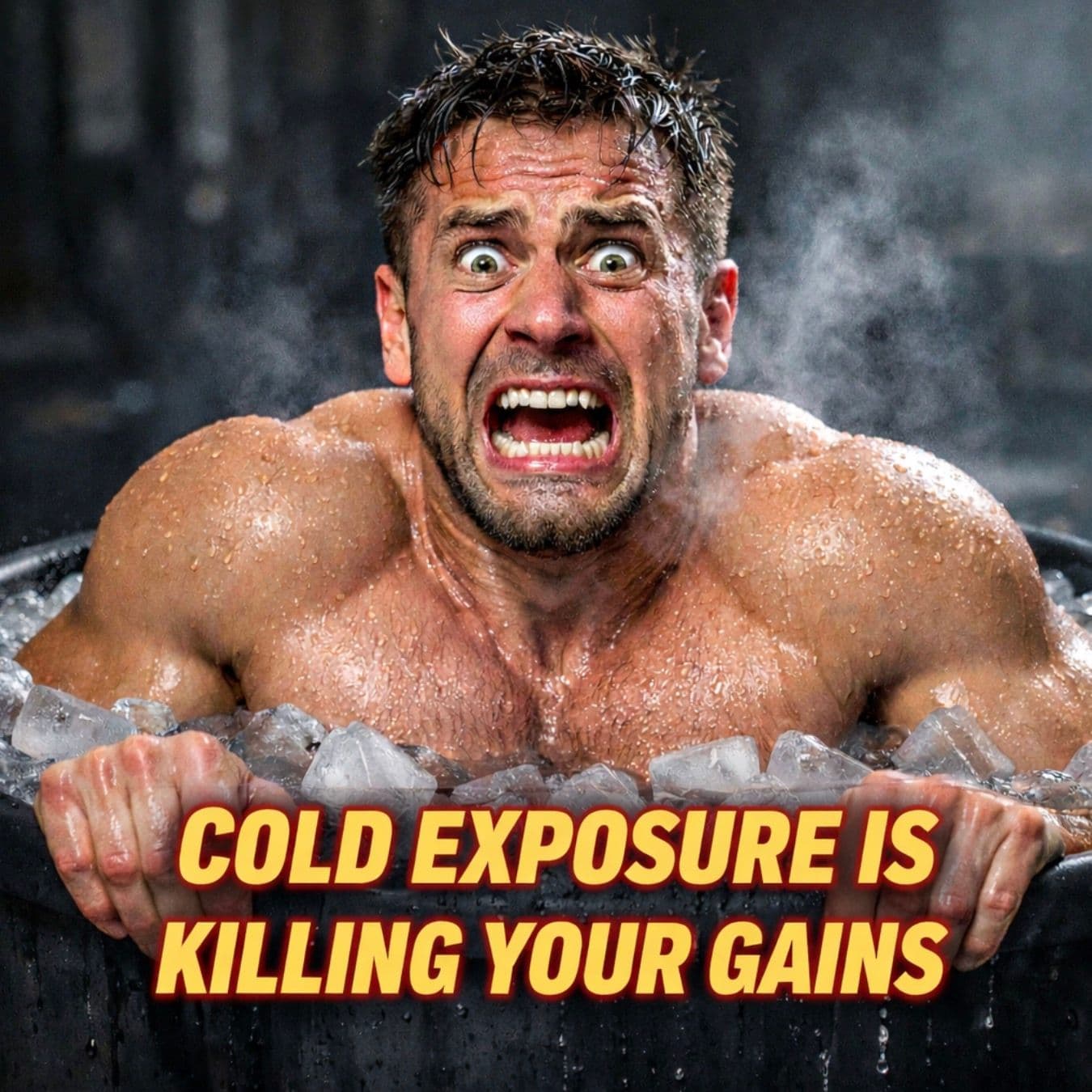
You step out of the gym feeling destroyed in the best way, muscles swollen and humming with that post-lift pump, and the first thing you do is plunge into an ice bath because you heard it speeds recovery. What if that ritual is quietly stealing your gains?
The cold exposure trend has exploded over the past few years, with everyone from podcasters to pro athletes swearing by ice baths, cold plunges, and cryotherapy for everything from mental clarity to faster recovery. And yes, cold has real benefits. But if you're serious about building muscle and optimizing your testosterone-driven anabolic response, timing matters more than you think. Jumping into freezing water right after a hard training session might feel hardcore, but it could be short-circuiting the very signals your body needs to grow stronger.
Why Your Muscles Need The Heat Signal
When you lift heavy, you're creating controlled damage. Muscle fibers tear microscopically, metabolic waste builds up, and your body launches an inflammatory response. This isn't a bad thing. In fact, inflammation after resistance training is a critical part of the adaptation process.
Your body interprets that acute inflammation as a signal that something needs to be rebuilt, and rebuilt stronger. Immune cells rush to the damaged tissue, releasing cytokines and growth factors that kick off a cascade of repair. Blood flow increases, delivering nutrients and oxygen. Satellite cells, the stem cells of muscle tissue, get activated and begin fusing to existing fibers to help them grow. This entire process is deeply intertwined with anabolic hormones, especially testosterone.
Testosterone doesn't just float around making you feel aggressive and horny. It binds to androgen receptors in muscle tissue and directly stimulates protein synthesis, the process by which your body builds new muscle protein. The post-workout window, especially the first few hours after training, is when your muscles are primed to respond to these anabolic signals. Insulin sensitivity is high, androgen receptors are upregulated, and the machinery for muscle protein synthesis is firing on all cylinders.
Cold exposure immediately after training interferes with this.
What Happens When You Ice Down Your Anabolic Window
When you immerse yourself in cold water or apply ice to trained muscles right after a workout, you're doing exactly what the name suggests: cooling things down. Blood vessels constrict, a process called vasoconstriction, which reduces blood flow to the area. Less blood flow means fewer nutrients, less oxygen, and reduced delivery of anabolic hormones to the muscle tissue that just got worked.
But the bigger issue is what happens to the inflammatory signaling. Cold blunts inflammation aggressively. That's why ice has been used for acute injuries for decades. It reduces swelling, numbs pain, and slows down metabolic activity in the tissue. For a sprained ankle, that's useful. For a muscle you just intentionally damaged to make it grow, it's counterproductive.
Research has shown that regular cold water immersion immediately post-resistance training can reduce markers of muscle protein synthesis and blunt long-term hypertrophy gains. One study found that individuals who used cold water immersion after every strength training session over several weeks gained significantly less muscle and strength compared to those who skipped the ice baths. The cold group showed reduced activation of key signaling pathways involved in muscle growth, including the mTOR pathway, which is one of the master regulators of protein synthesis and anabolic response.
Essentially, you're telling your body to calm down and stop reacting right when you want it to react the most.
The Testosterone Connection
Testosterone's role in muscle growth is direct and potent. After a workout, testosterone levels can rise acutely, and your muscle tissue becomes more sensitive to its effects. The androgen receptors in your muscles are like locks waiting for the testosterone key to open them and start the growth process.
Cold exposure doesn't necessarily crash your circulating testosterone levels in a dramatic way, but it does interfere with the local environment where testosterone does its work. Reduced blood flow means less hormone delivery to the tissue. Blunted inflammation means fewer of the signaling molecules that amplify the anabolic response. You're essentially muffling the signal.
For men who are already managing their testosterone, whether through lifestyle optimization or medical therapies like TRT under clinical supervision, this becomes even more important. If you're investing time, effort, and potentially money into keeping your hormones in a healthy range, why would you then sabotage the downstream effects by icing out the very tissue you're trying to build?
The goal isn't just to have testosterone in your bloodstream. The goal is for that testosterone to bind to receptors, activate genetic transcription, and drive the synthesis of new muscle protein. Cold exposure right after training interrupts that chain of events.
Soreness Is Not The Enemy
One of the biggest misconceptions driving the post-workout ice bath trend is the belief that muscle soreness is something to be eliminated as quickly as possible. Delayed onset muscle soreness, or DOMS, is often seen as a sign that you overdid it or that your recovery is lagging. But soreness is not inherently bad.
DOMS is part of the inflammatory and repair process. It's your body signaling that adaptation is underway. While extreme soreness that prevents you from training effectively is a problem, moderate soreness is normal and even expected after challenging workouts, especially if you're trying new movements or increasing volume.
Blunting soreness with ice doesn't mean you're recovering faster or better. It means you're numbing the sensation and reducing the biological processes that lead to growth. You might feel less sore the next day, but that doesn't translate to bigger muscles or better long-term performance. In fact, if you consistently interfere with the inflammatory response, you may be limiting your body's ability to adapt.
Pain and discomfort are not the same thing as damage. Learning to distinguish between productive soreness and actual injury is part of becoming a smarter lifter. Ice baths can mask both, which isn't always helpful.
When Cold Exposure Actually Makes Sense
This doesn't mean cold is useless or that you should avoid it entirely. Cold exposure has legitimate benefits, particularly for the nervous system, mental resilience, mood regulation, and general stress adaptation. Regular cold exposure can improve vagal tone, boost norepinephrine, and create a kind of metabolic and psychological toughness that carries over into other areas of life.
The key is timing and context.
If you're using cold for mental clarity, mood, or as a general wellness practice, do it on rest days or at a time separated from your hardest training sessions by several hours. Some lifters find that morning cold exposure on a non-training day gives them energy and focus without interfering with muscle recovery. Others use cold strategically during deload weeks or when the goal is active recovery rather than growth.
Cold can also be useful for acute injury management or if you're dealing with joint inflammation that's preventing you from training effectively. But even then, you want to be thoughtful about how and when you apply it.
What you want to avoid is the reflexive habit of jumping into an ice bath within the first hour or two after a heavy squat or deadlift session. That's the window when your muscles are most primed to receive the anabolic signal, and cold shuts it down.
Smarter Timing For Lifters Who Want Both
If you love the feeling of cold exposure and don't want to give it up entirely, the solution is simple: separate it from your resistance training.
Wait at least four to six hours after a hard lifting session before doing any intense cold immersion. This gives your body time to initiate the inflammatory and anabolic processes without interference. By the time you hit the cold water later in the day or evening, the critical signaling period has already passed, and you're far less likely to blunt muscle growth.
Another option is to use cold primarily on days when you're not doing hypertrophy-focused resistance training. If you're doing conditioning work, mobility, or lighter skill-based training, cold exposure afterward is much less of a concern. Your goal in those sessions isn't to trigger maximal muscle protein synthesis, so the potential downside is minimal.
You can also experiment with contrast therapy, alternating between hot and cold, but even then, avoid doing it immediately after your heaviest lifts. Let the heat and inflammation do their job first.
The principle is straightforward: protect the anabolic window. Everything else is negotiable.
The Bigger Picture Of Hormone Health And Recovery
Understanding how cold exposure interacts with muscle growth and testosterone is part of a larger conversation about intelligent recovery and long-term performance. Too many guys treat recovery like a checklist: ice bath, check. Protein shake, check. Foam rolling, check. But recovery isn't about doing more things. It's about doing the right things at the right time and not interfering with your body's natural adaptive processes.
This is where a more comprehensive approach to men's health becomes valuable. Whether you're managing your testosterone through lifestyle, considering medical support, or already working with a clinical team, the details matter. Cold exposure, sleep quality, nutrition timing, stress management, and training structure all interact with your hormonal environment in ways that either support or undermine your goals.
Services like AlphaMD take this kind of integrated approach seriously, looking at hormone health, training, recovery, and lifestyle as interconnected pieces rather than isolated variables. For men who want to build muscle, maintain strength, and optimize testosterone as they age, understanding these nuances is part of playing the long game. Quick fixes and trendy biohacks are tempting, but they don't replace solid fundamentals and smart timing.
Training Hard Enough To Worry About This
It's worth noting that if your training intensity is low or you're not pushing close to your limits, the timing of cold exposure probably won't make a huge difference. The interference with anabolic signaling becomes most relevant when you're training hard enough to actually trigger a significant adaptive response.
If you're doing a casual circuit workout or some light bodyweight exercises, an ice bath afterward isn't going to ruin anything because there wasn't much of a growth stimulus to begin with. But if you're grinding through progressive overload programs, chasing PRs, and genuinely trying to build muscle and strength, then every detail starts to matter.
You're putting in the work. You're managing your nutrition. You're paying attention to your testosterone and overall health. Don't let a misplaced recovery habit quietly steal a chunk of your progress.
Rethinking The Post-Workout Ritual
The ritual of post-workout recovery has become almost as important as the workout itself for many lifters. There's something satisfying about having a routine, a series of steps that signal to your brain that you've done the work and now it's time to rebuild.
But rituals should serve your goals, not undermine them. If your post-lift routine includes an immediate ice bath because it feels good or because you think it's speeding up recovery, it's worth reconsidering. That short-term relief might be costing you long-term gains.
Instead, focus on the basics that actually support the anabolic process. Get some quality carbohydrates and protein in the hours after training. Hydrate. Move around lightly to promote blood flow without adding more stress. Sleep well that night. Let your body run hot for a while, literally and metabolically.
Cold can come later, if at all.
Mistimed cold exposure is one of those subtle mistakes that doesn't feel like a mistake. You're not injured. You're not overtrained. You're doing something that's supposed to be healthy. But over weeks and months, the cumulative effect of blunting your anabolic response after every hard session adds up. You might be leaving significant gains on the table without realizing it.
The good news is that fixing this is easy. You don't have to give up cold exposure entirely. You just have to be smarter about when you use it. Protect the post-workout window. Let inflammation do its job. Let testosterone and the other anabolic hormones bind to their receptors and kick off the growth process without interference.
Then, hours later or on your off days, jump in the cold water if that's what you enjoy. You'll get the mental and physiological benefits of cold without sacrificing the muscle and strength you're working so hard to build. Understanding how your habits interact with your hormones and your training is what separates guys who spin their wheels from guys who make consistent progress year after year. Cold exposure isn't the enemy. Bad timing is.
Have a question? Ask us.
At AlphaMD, we're here to help. Feel free to ask us any question you would like about TRT, medical weightloss, ED, or other topics related to men's health. Or take a moment to browse through our past questions.
People are asking...
My trt doses have me feeling healthy and amazing. I see a lot of people mentioning blast and cruise where they do a cycle of 500mgs etc. Is there any ...
Yes & no. As Testosterone dose increase past a certain point, say, 180-200mg/week - Side effect chance tends to exponentially increase & benefits tend to decrease per mg. For many men they still do ge... See Full Answer
What would cause your testosterone and E2 levels to decrease, but the patient has been taking the same dose? (Testosterone cypionate 200mg weekly) No...
This could be a number of things. The first could be simply due to the time of testing relative to the last injection being different from the last test. The second & what is potentially likely here b... See Full Answer
I just had 6 week bloods done. e2 was 48. SHBG must be crashed because my free T was 255. Obviously an e2 of 48 is unlikely to cause any puff or itchi...
Well, to break things down, when starting TRT you should generally not be adjusting your routine or adding medications until the 7-8 week mark when your body's hormones balance out for exactly this re... See Full Answer
Get $30 off your first month’s order
Enter your email address now to receive $30 off your first month’s cost, other discounts, and additional information about TRT.
Legal Disclaimer
This website is a repository of publicly available information and is not intended to form a physician-patient relationship with any individual. The content of this website is for informational purposes only. The information presented on this website is not intended to take the place of your personal physician's advice and is not intended to diagnose, treat, cure, or prevent any disease. Discuss this information with your own physician or healthcare provider to determine what is right for you. All information is intended for your general knowledge only and is not a substitute for medical advice or treatment for specific medical conditions. The information contained herein is presented in summary form only and intended to provide broad consumer understanding and knowledge. The information should not be considered complete and should not be used in place of a visit, phone or telemedicine call, consultation or advice of your physician or other healthcare provider. Only a qualified physician in your state can determine if you qualify for and should undertake treatment.